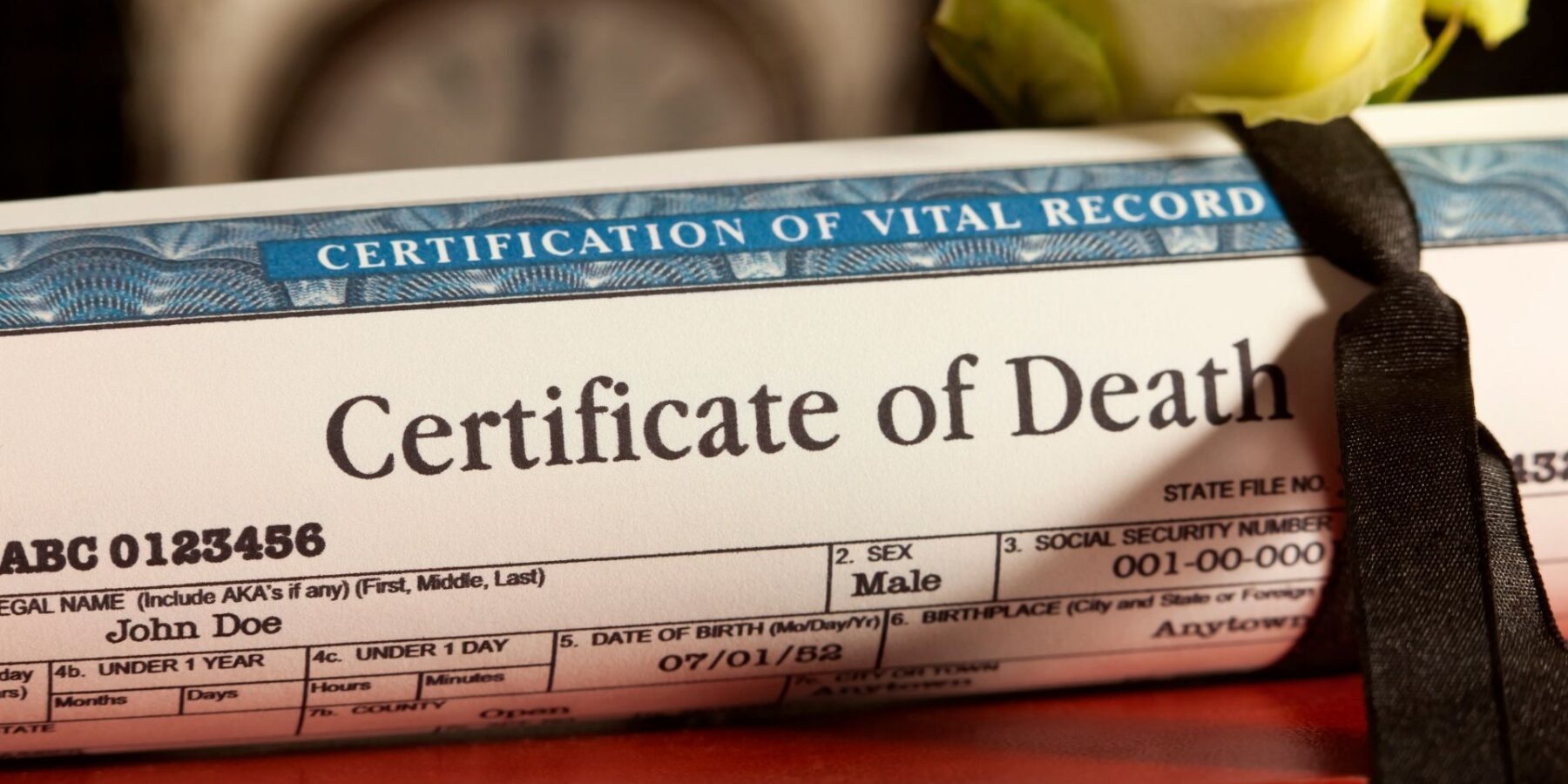
Grafton Wrongful Death Accident Attorneys
A wrongful death is one of the most devastating events a family can experience. In Grafton and throughout Taylor County, families lose loved ones every year to preventable accidents caused by negligence, recklessness, or misconduct. Whether the loss is due to a fatal car crash, a workplace accident, a medical error, or unsafe property conditions, the pain and disruption are overwhelming. Grief is immediate and long-lasting, but families also face pressing practical questions: How will bills be paid? What about the mortgage or rent? How do children cope without a parent’s daily support and guidance?
These tragedies are unfortunately common across the United States. The Centers for Disease Control and Prevention (CDC) reports that unintentional injuries are the fourth leading cause of death nationally, claiming more than 200,000 lives each year. Many of these deaths are preventable, caused by circumstances where another party failed to act responsibly. This makes the legal system an important avenue for families, not only to seek justice but also to ensure that future tragedies are prevented through accountability.
At Kaufman & McPherson, we know that no legal action can ever replace the presence of a loved one. However, pursuing a wrongful death claim provides a way to hold negligent parties accountable and secure the resources necessary to bring stability during one of life’s hardest challenges. Our attorneys take the time to listen, explain options clearly, and build a strong case that reflects both the emotional and financial losses families endure. With more than three decades of experience representing West Virginia families, we combine compassionate support with aggressive advocacy to fight for justice on behalf of those left behind.
Understanding Wrongful Death Claims in West Virginia
Wrongful death occurs when a person dies as the result of another party’s wrongful act, neglect, or default. West Virginia law provides a civil remedy that allows families to seek financial compensation for both tangible and intangible losses. According to West Virginia Code § 55-7-6, wrongful death claims must be filed within two years of the date of death, and damages can cover medical expenses, funeral costs, lost income, household services, and non-economic harm such as grief and loss of companionship.
This law reflects the principle that when negligence causes preventable loss of life, the responsible party must provide restitution to surviving loved ones. It recognizes not only the economic impact of death but also the profound emotional and relational void left behind.
Who Can File and Who Benefits
Only the personal representative of the deceased’s estate has the authority to file a wrongful death action. This representative may be appointed through a will, or if there is no will, by the court. The action is filed on behalf of the beneficiaries, who typically include the surviving spouse, children (biological, adopted, or stepchildren), parents, and other dependents. The court oversees the distribution of any settlement or judgment to ensure fairness, especially when multiple beneficiaries are involved.
What Damages May Include
Wrongful death damages in West Virginia are not limited to medical bills or funeral costs. They include:
- Economic damages, such as hospital expenses, burial costs, lost income, pensions, and benefits.
- Non-economic damages, such as mental anguish, loss of comfort, companionship, and guidance.
- Value of services the decedent would have provided, such as childcare, home maintenance, or caregiving for elderly family members.
- Punitive damages in cases of gross negligence or intentional misconduct, such as drunk driving fatalities.
The Human Cost of Wrongful Death
Beyond statutes and damages, wrongful death devastates families emotionally. Survivors are often left in shock, with grief compounded by sudden loss and legal stress. The CDC Grief Resources emphasizes that bereavement, particularly after traumatic loss, can significantly affect mental health, leading to depression, anxiety, and post-traumatic stress.
Grieving Spouses
A surviving spouse may lose not only emotional companionship but also financial security. They must cope with household responsibilities once shared, loss of marital intimacy, and the challenge of navigating single parenthood if children are involved. Many struggle with loneliness and fear about the future. Compensation in these cases should account for both economic stability and the deep, intangible loss of marital partnership.
Children and the Loss of a Parent
For children, losing a parent is one of the most destabilizing events they can endure. School performance may decline, emotional regulation may falter, and developmental milestones may be interrupted. Teachers, counselors, and therapists often become critical in helping children adapt. Wrongful death damages should cover counseling and educational support to mitigate these long-term impacts.
Special Considerations for School-Aged Children
Younger children may not fully understand death and may exhibit grief through behavioral changes such as acting out or regressing in behavior. Teenagers, by contrast, may withdraw socially or develop depression. Both groups benefit from therapy and stability, which can be supported by wrongful death compensation.
Elderly Survivors
When elderly parents or spouses lose an adult child who provided financial or caregiving support, the impact can be devastating. Seniors may struggle to maintain independence without the help they relied on. Wrongful death compensation can provide for in-home care or assisted living to fill the void left by their loved one.
Pregnant Women and Fetal Loss
A wrongful death may also involve fetal loss caused by trauma to a pregnant mother. Studies show NIH Trauma in pregnancy that trauma is a leading cause of non-obstetric maternal mortality, and even seemingly minor accidents can result in placental abruption or fetal demise. Families enduring such tragedies deserve compensation for both medical and emotional consequences, including maternal mental health treatment and recognition of the loss of potential life.
The Financial Fallout of Wrongful Death
Wrongful death leaves more than emotional wounds it leaves a financial vacuum that can destabilize entire households.
Loss of Income and Benefits
When the deceased was the primary earner, the family loses salary, health insurance, retirement savings, and other benefits. For young families, this can mean decades of lost financial security. Economists are often consulted in wrongful death cases to calculate future earning potential, taking into account inflation, career trajectory, and expected work-life span.
Loss of Services
Even when the deceased was not the primary earner, their contribution in household services carries enormous value. Stay-at-home parents, for example, provide childcare, transportation, and home management. The cost of replacing these services with paid help can be substantial and is recognized in wrongful death damages.
Funeral and Burial Costs
Funeral costs in West Virginia average between $7,000 and $12,000. For many families, this sudden expense compounds existing financial strain. Wrongful death claims seek reimbursement for these necessary and immediate expenses.
Mental Health Treatment and Therapy
The psychological impact of wrongful death often requires professional support. Survivors may need grief counseling, family therapy, or long-term psychiatric care to manage depression, anxiety, or PTSD. The National Institute of Mental Health notes that trauma-induced grief can lead to long-term impairment if untreated. Compensation should account for the cost of ongoing therapy and mental health support.
Special Situations in Wrongful Death Cases
Not every wrongful death case looks the same. While many claims involve familiar scenarios like car crashes or workplace accidents, there are unique circumstances where the legal and emotional issues become even more complex. These “special situations” often require tailored strategies, specialized experts, and extra sensitivity in how damages are calculated. Families in Grafton may encounter wrongful death claims involving children, pregnant women, elderly dependents, or passengers in accidents. Each of these scenarios presents its own legal challenges and requires careful handling to ensure justice is achieved and survivors are fully compensated.
Passenger Fatalities in Vehicle Accidents
Passengers trust drivers with their safety, and when negligence leads to a passenger’s death, the grief is compounded by a sense of betrayal. These cases may involve family members, friends, or coworkers who were simply in the wrong place at the wrong time. Liability may rest with the driver of the vehicle in which the passenger was riding, another motorist, or even a commercial transportation company. Investigations often focus on whether the driver was distracted, impaired, or reckless. Insurance companies may attempt to downplay responsibility, especially if the at-fault driver was a family member, but survivors have the right to pursue claims regardless of personal connections. Compensation in passenger death cases typically covers funeral costs, lost financial support, and the emotional toll of losing a loved one so suddenly.
Children as Victims of Wrongful Death
The wrongful death of a child is perhaps the most heartbreaking scenario families can face. Beyond the immediate grief, parents and siblings lose decades of companionship, guidance, and shared milestones. Courts recognize that while children may not yet contribute financially, their value to the family is immeasurable. Damages may include the loss of companionship, emotional suffering, and anticipated future contributions once the child reaches adulthood. School records, extracurricular achievements, and testimony from teachers or coaches can help illustrate a child’s unique qualities and potential. These claims must be handled with compassion, ensuring the child’s memory is honored while securing resources for family members who must continue without them.
Pregnancy-Related Wrongful Death and Fetal Loss
When trauma during pregnancy causes maternal death or fetal loss, the effects are devastating for entire families. Medical experts stress that even minor accidents can trigger serious complications such as placental abruption, preterm labor, or miscarriage NIH Trauma in Pregnancy. These cases are complex because they involve both the mother’s injuries and the loss of the unborn child. Claims may seek compensation for maternal medical expenses, mental health treatment, funeral costs, and the emotional trauma endured by surviving family members. Courts may also recognize wrongful death of the fetus under West Virginia law in certain circumstances. These cases demand extraordinary sensitivity and precise medical evidence to ensure families receive the justice and recognition they deserve.
Elderly or Dependent Victims
The wrongful death of an elderly or disabled family member is sometimes undervalued by insurers, who argue that the person had limited earning potential. But this perspective ignores the essential caregiving, companionship, and wisdom they provided to their families. Elderly parents often play key roles in raising grandchildren, maintaining households, or providing daily support to adult children. Likewise, a disabled family member’s death may leave caregivers with profound emotional and logistical gaps. Compensation in these cases should reflect the loss of services, guidance, and relational stability, not just income. Families should work with attorneys who ensure that every aspect of loss is presented and valued fairly.
Wrongful Deaths in Public Places or Due to Unsafe Property
Fatal accidents can occur in public settings such as grocery stores, apartment complexes, or municipal areas where safety was neglected. A fall on icy stairs, inadequate security, or failure to repair dangerous conditions can all result in deadly injuries. These cases fall under premises liability law, which requires property owners and managers to keep areas reasonably safe. Investigations may involve reviewing maintenance records, surveillance footage, and safety inspection reports. When negligence in maintaining property leads to loss of life, families have the right to demand accountability and compensation.
Deaths in the Workplace
In some cases, workplace negligence, such as unsafe equipment, inadequate training, or failure to follow OSHA safety standards leads to fatal accidents. Surviving families may pursue workers’ compensation benefits and, in certain cases, civil wrongful death claims.
How Kaufman & McPherson Investigates Wrongful Death
Every wrongful death case begins with questions: What happened? Who is responsible? Could this tragedy have been prevented? At Kaufman & McPherson, we treat these questions with the seriousness they deserve. Investigating a wrongful death is not simply about gathering facts—it’s about building a narrative that honors the person lost and shows the full scope of harm caused by negligence. We leave no stone unturned in our pursuit of truth, using our decades of experience and trusted network of experts to build the strongest possible case for our clients.
Thorough Evidence Gathering
Our attorneys immediately begin collecting every available piece of evidence. This includes police reports, accident scene photos, witness statements, medical records, autopsy results, and in some cases, workplace or safety inspection reports. In vehicle cases, we secure data from “black boxes” or onboard electronics that can reveal speed, braking, or driver error at the time of the crash. We also preserve physical evidence such as damaged vehicles, defective products, or unsafe property conditions. Acting quickly is critical, because evidence can disappear or be altered within days of the incident.
Accident Reconstruction and Expert Analysis
To strengthen our cases, we often consult with accident reconstruction specialists, engineers, and medical experts. These professionals can recreate the sequence of events leading to the death, explain how safety rules were violated, and connect the negligence directly to the fatal injuries. In workplace deaths, for example, experts may testify about whether OSHA standards were followed or ignored OSHA Fatalities. In medical negligence cases, physicians and nurses review treatment records to determine whether proper standards of care were upheld. These experts help us translate complex technical details into language that juries can understand.
Establishing Negligence and Liability
A key part of our investigation is showing how the defendant’s actions or failures directly caused the wrongful death. This could mean proving that a driver was distracted, a property owner failed to fix a hazard, or an employer ignored safety violations. We examine not only direct causes but also systemic issues, such as inadequate training or poor company policies, that may have contributed to the death. Establishing liability requires building a clear link between negligence and loss, backed by both factual evidence and expert testimony.
Calculating Full Damages
Investigating wrongful death is not only about proving fault, it is also about demonstrating the magnitude of the family’s losses. We work with economists and financial experts to calculate lost income, retirement contributions, and the value of household services. Mental health professionals help document the grief, trauma, and long-term psychological impact on surviving family members. By combining economic and non-economic damages, we present a complete picture of how the death has changed the family’s life forever. This thorough preparation ensures that no aspect of loss is overlooked in settlement negotiations or at trial.
Trial Readiness and Legal Strategy
While many wrongful death cases settle before reaching trial, Kaufman & McPherson prepares every case as if it will go before a jury. This approach signals to insurance companies and opposing counsel that we are serious about achieving justice and will not accept inadequate offers. Preparing for trial includes drafting witness lists, organizing exhibits, creating demonstrative visuals, and developing compelling opening and closing arguments. By showing our readiness from day one, we increase the likelihood of favorable settlements while remaining prepared to fight in court if necessary.
Why Choose Kaufman & McPherson for Your Grafton Wrongful Death Case
Choosing an attorney after losing a loved one is one of the most important decisions a family will ever face. Wrongful death cases are emotionally complex and legally challenging. You need a legal team that understands not only West Virginia’s laws but also the personal pain, financial instability, and day-to-day challenges that grieving families endure. At Kaufman & McPherson, we combine decades of courtroom experience with deep compassion for our clients. We are not just your lawyers we are your advocates, your voice in court, and your partners in navigating the difficult months and years after a wrongful death. Our mission is to ensure that negligent parties are held accountable and that your family receives the resources needed to find stability and healing.
Experience That Matters
With more than 30 years of practice, we have handled wrongful death cases involving car accidents, workplace fatalities, medical errors, and unsafe properties. Our knowledge of West Virginia law and our trial experience give clients confidence that their case is in capable hands.
Compassionate Representation
We treat every client with dignity and respect, recognizing that we are not just handling a case but helping a family through grief. We prioritize communication, listening carefully to your concerns, and keeping you informed at every stage.
Proven Results
Our track record of settlements and verdicts shows our ability to secure meaningful compensation for families. Insurance companies know that we prepare thoroughly and negotiate from a position of strength.
No Upfront Fees
We work on a contingency fee basis; you pay nothing unless we win compensation for you. This ensures access to justice without financial risk.
Moving Forward After a Wrongful Death
After a wrongful death, moving forward can feel impossible. Families in Grafton often find themselves overwhelmed by grief, financial uncertainty, and the sudden need to make decisions they never expected. Healing is not about “getting over” the loss it is about finding ways to adapt, honor the loved one’s memory, and establish a new sense of stability. This process involves emotional support, practical financial planning, and building resilience over time. Legal action cannot erase the pain, but it can ease financial burdens and provide the resources families need to rebuild. By combining therapy, community support, and a fair settlement, families can take steps toward restoring their lives while preserving the legacy of the person they lost.
Grief Support and Counseling
Professional grief counseling is often one of the most valuable resources for families after a wrongful death. Therapists can provide tools to navigate the waves of sadness, anger, and confusion that follow a sudden loss. Support groups, both in-person and online, offer a sense of shared experience that reassures families they are not alone. The CDC notes that grief is a natural process but can become complicated or prolonged without healthy coping strategies, making counseling even more essential. Counselors may also help children and teens who express grief differently than adults, such as through acting out, withdrawing, or declining school performance. Seeking counseling early is not a sign of weakness but a proactive step to safeguard mental health. Insurance settlements should include funds to cover counseling sessions for both adults and children as part of long-term recovery.
Honoring a Loved One’s Legacy
Many families find comfort in honoring their loved one through acts of remembrance. This may take the form of memorial services, scholarships in the decedent’s name, or community projects that reflect their passions. Establishing a legacy helps transform grief into purpose, offering survivors a way to stay connected to the person they lost. Acts of remembrance also provide children with a tangible way to celebrate their parent or sibling’s life, which can aid emotional healing. Some families create charities or awareness campaigns in areas tied to the cause of death, such as road safety or healthcare improvements. By channeling grief into positive action, families not only honor their loved one but also help others in the community avoid similar tragedies. These efforts can be included in wrongful death settlements, ensuring families have resources to sustain memorials or charitable projects long-term.
Financial Planning and Long-Term Stability
Financial security is a critical component of moving forward after a wrongful death. Survivors often face new responsibilities such as managing mortgages, paying tuition, or caring for dependents on a reduced income. Working with financial planners can help families establish budgets, set up trusts for children, and ensure settlements are used wisely for long-term support. Compensation should not only address current needs but also provide stability for the future. This may include replacing retirement contributions the deceased would have made, securing health insurance for dependents, or funding educational opportunities. For elderly survivors, planning may involve setting aside resources for assisted living or home care. Taking practical financial steps helps families feel less vulnerable and more in control of their future, even while coping with ongoing grief.
Grief Support and Counseling
Support groups, counseling, and therapy play a crucial role in healing. Organizations like the AARP also provide resources for widows, widowers, and families facing sudden loss. Survivors should seek emotional support early to prevent isolation and long-term depression.
Honoring a Loved One’s Legacy
Many families find healing in memorial scholarships, charitable foundations, or community initiatives that honor their loved one’s life. These acts not only preserve memory but also transform grief into a positive impact.
Call Kaufman & McPherson Today
If your family has lost a loved one due to negligence in Grafton or anywhere in Taylor County, you do not have to face the journey alone.
Call Kaufman & McPherson today at (888) 888-8888 or contact us through our online consultation form. We will review your case at no cost and help you pursue justice for your family.
Our attorneys proudly serve Grafton, Taylor County, and communities across West Virginia.
Kaufman & McPherson – Protecting West Virginia Families, One Case at a Time.
Practice Areas
Trust Us With Your Personal Injury Claim
If you or a loved one have been injured, Kaufman & McPherson will fight for you every step of the way. We will give our all to secure the compensation you rightfully deserve.







Contact usfor a free consultation.
Phone: (304) 449-5157