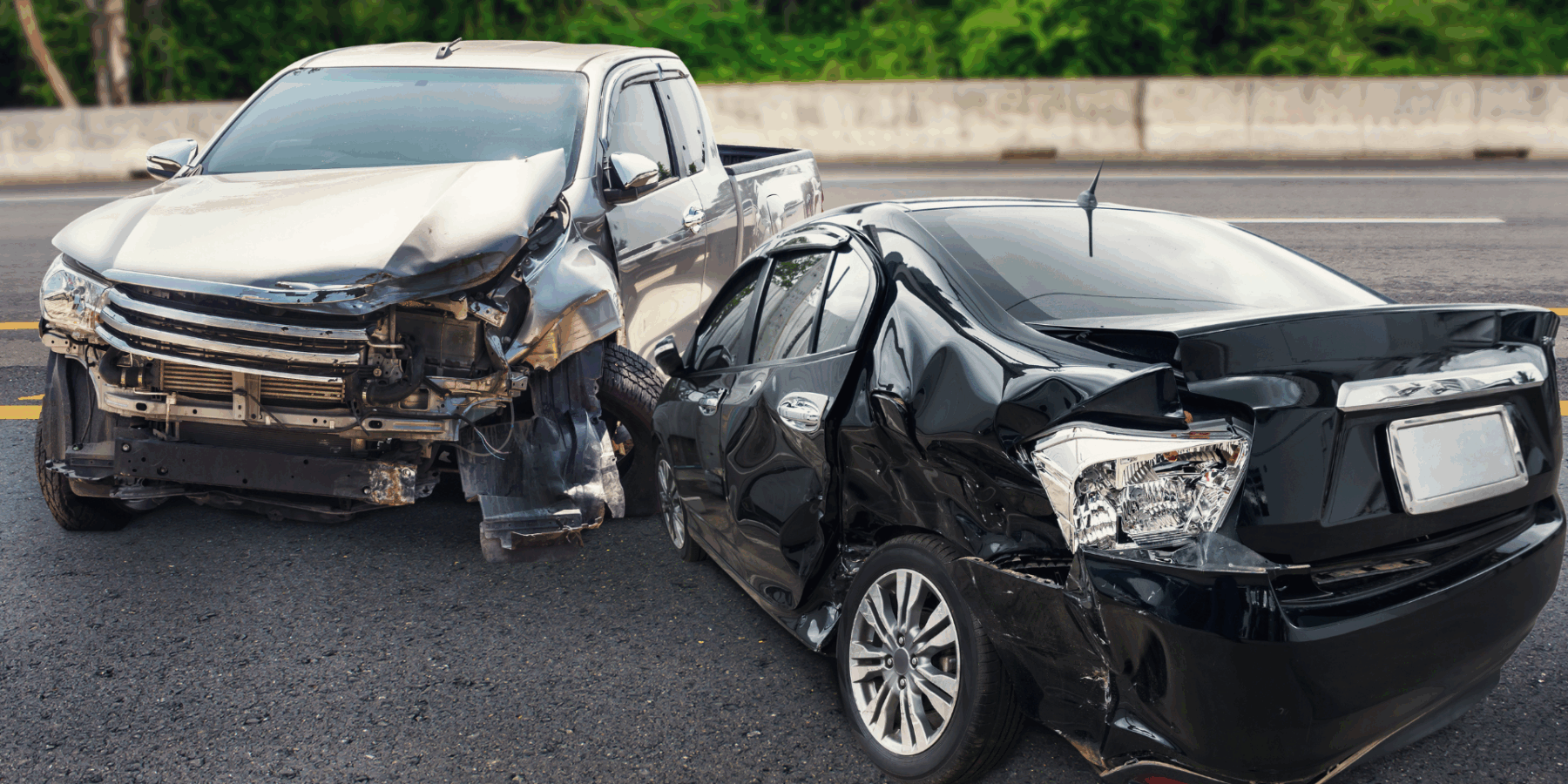
Local fire crews responded to a crash involving a snow plow early last Tuesday morning, according to WDTV. The incident occurred on Old U.S. Route 50 in Harrison County, where the Reynoldsville Volunteer Fire Department and other emergency responders were called to the scene following the wreck. At least one person was reported injured, though officials did not immediately release additional details about the severity of injuries. Traffic in the area was disrupted as responders worked to secure the scene and provide aid, highlighting the seriousness of the collision.
When winter weather hits Harrison County, countless drivers are put at risk when snow and ice creates slick conditions and reduces visibility. Crashes involving winter maintenance vehicles, including snow plows, highlight how hazardous these conditions can become for everyone on the road. Sudden stops, limited traction, and poor sightlines can quickly turn an ordinary drive into a serious and dangerous situation. Victims and families are often left dealing with injuries, uncertainty, and questions about whether the crash could have been prevented. In the aftermath of a winter-related collision, managing medical treatment, accident investigations, and insurance claims can feel overwhelming. At Kaufman & McPherson, we understand the challenges accident victims face during winter weather incidents and work to help them protect their rights and pursue accountability. Call us today at (304) 449-5157 to learn how we can help.
Why Legal Support Is Valuable Following a Winter Wolf Summit Pickup Truck Crash
Following a Wolf Summit pickup truck crash, having experienced legal support from Kaufman & McPherson can be essential when navigating the challenges that often arise after a winter weather collision. We understand how snow, ice, and reduced visibility can complicate crash investigations and lead to disputes over fault and liability. Our team works to gather evidence, review accident reports, and evaluate road and weather conditions to help establish what truly happened. By taking a detailed and proactive approach, we help ensure that important facts are not overlooked during the claims process.
At Kaufman & McPherson, we also recognize the significant financial and emotional strain that a serious pickup truck crash can place on injured victims and their families, especially when winter weather contributes to dangerous driving conditions. We take on the responsibility of communicating with insurance companies, reviewing policy coverage, and addressing disputes that often arise in winter-related crash claims. Our team carefully evaluates the full scope of damages, including medical expenses, lost income, vehicle damage, and the long-term effects injuries may have on daily life. We also work to counter efforts by insurers to downplay the severity of injuries by blaming weather conditions rather than negligent driving. By managing the legal complexities of a Wolf Summit pickup truck crash claim, we help our clients focus on healing while we work diligently to protect their interests and pursue fair and balanced outcomes.

Injuries Commonly Associated With a Wolf Summit Pickup Truck Crash
A Wolf Summit pickup truck crash often results in serious injuries due to vehicle size, road conditions, and crash dynamics. Winter weather and slick roads can increase impact force and reduce opportunities to avoid collisions. Pickup trucks frequently cause significant damage to smaller vehicles and occupants. Understanding common injury types helps victims recognize the seriousness of their condition and seek appropriate care.
Head and Brain Injuries
Head injuries are common in a Wolf Summit pickup truck crash, especially when collisions occur at higher speeds. Sudden impacts can cause the head to strike interior surfaces or experience violent motion. Even when airbags deploy, traumatic brain injuries may still occur. These injuries often require immediate medical attention and long-term monitoring.
Concussions and Traumatic Brain Injuries
Concussions may cause headaches, confusion, memory issues, and sensitivity to light or sound. More severe traumatic brain injuries can affect cognition, speech, and emotional regulation. Symptoms may not appear immediately after the crash. Early diagnosis helps prevent long-term complications.
Spinal Cord and Back Injuries
Back and spinal injuries frequently occur during pickup truck crashes due to forceful jolts and compression. These injuries can affect the neck, upper back, or lower spine. Damage to spinal structures may limit mobility and cause chronic pain. Some injuries require surgical intervention and extended rehabilitation.
Herniated Discs and Paralysis Risks
Herniated discs can compress nerves and cause pain, numbness, or weakness. Severe spinal cord damage may result in partial or complete paralysis. These injuries often change daily functioning permanently. Long-term care planning becomes essential after serious spinal trauma.
Broken Bones and Orthopedic Injuries
The force of a pickup truck crash often leads to fractures and orthopedic injuries. Arms, legs, ribs, and pelvis bones commonly sustain damage. Winter crashes may increase fracture risk due to reduced braking and higher impact angles. Healing often requires surgery, casting, and physical therapy.
Complex Fractures and Joint Damage
Complex fractures may involve multiple breaks or bone displacement. Joint injuries can affect knees, shoulders, and hips, limiting movement. These injuries often require extended recovery periods. Some victims experience permanent loss of strength or flexibility.
Internal Injuries and Organ Damage
Internal injuries frequently occur when crash forces impact the torso. Damage to organs such as the lungs, liver, or spleen may not be immediately visible. These injuries can become life-threatening without prompt treatment. Diagnostic imaging often plays a critical role in detection.
Internal Bleeding and Chest Trauma
Internal bleeding may cause dizziness, abdominal pain, or rapid heart rate. Chest trauma can include punctured lungs or bruised organs. Winter crashes may increase severity due to reduced stopping distances. Immediate medical evaluation helps prevent serious complications.
Soft Tissue Injuries
Soft tissue injuries commonly occur even in lower-speed pickup truck crashes. Muscles, ligaments, and tendons may stretch or tear during sudden movements. These injuries can cause persistent pain and limited range of motion. Recovery often requires physical therapy and ongoing care.
Whiplash and Muscle Strains
Whiplash injuries affect the neck and upper back following abrupt motion. Muscle strains may develop days after the crash. These injuries often interfere with work and daily activities. Consistent treatment supports long-term recovery.
Legal Challenges After a Wolf Summit Pickup Truck Crash
A Wolf Summit pickup truck crash often presents legal challenges that extend beyond a standard vehicle collision. Winter weather, slick roads, and limited visibility can complicate how fault and liability are evaluated. Insurance companies may attempt to minimize responsibility by pointing to weather conditions rather than driver behavior. Understanding these legal hurdles helps injured individuals better prepare for the claims process.
Determining Fault in Winter Weather Conditions
Determining fault after a Wolf Summit pickup truck crash becomes more complex when snow and ice are involved. Drivers still have a duty to adjust speed and driving behavior based on known conditions. However, insurers may argue that slick roads caused the crash rather than negligence. Careful analysis helps clarify whether reasonable care was exercised.
Evaluating Driver Decisions on Slick Roads
Driver decisions play a central role in winter crash investigations. Attorneys review whether drivers slowed appropriately, maintained safe following distances, and remained attentive. Failure to adapt to winter conditions may indicate negligence. These evaluations help counter arguments that weather alone caused the collision.
Dealing With Insurance Company Disputes
Insurance companies often dispute claims following winter-related pickup truck crashes. Adjusters may downplay injuries or question the severity of the collision. Delays and low settlement offers are common challenges for injured victims. Legal representation helps balance these negotiations.
Addressing Weather-Based Claim Denials
Insurers may deny or reduce claims by citing snow and ice conditions. This strategy attempts to shift responsibility away from the insured driver. Evidence such as crash reports and witness statements helps challenge these denials. Proper documentation supports fair claim consideration.
Proving Liability Beyond Weather Conditions
Weather conditions do not eliminate the need to prove liability. Attorneys focus on driver conduct, vehicle maintenance, and roadway factors. Pickup trucks require longer stopping distances, especially on icy roads. Demonstrating these factors helps establish responsibility.
Examining Vehicle Maintenance and Equipment
Vehicle condition plays an important role in winter crashes. Worn tires, faulty brakes, or poor lighting may contribute to loss of control. Maintenance records help determine whether the vehicle was safe to operate. These details may expand liability beyond the driver alone.
Multiple Parties and Shared Responsibility
A Wolf Summit pickup truck crash may involve multiple responsible parties. Other drivers, employers, or government entities may share fault. Comparative fault laws can affect compensation amounts. Identifying all liable parties becomes critical.
Navigating Comparative Negligence Claims
Comparative negligence arguments often arise in winter crash cases. Insurers may attempt to assign partial fault to injured victims. Clear evidence helps challenge unfair fault allocations. Understanding these rules supports stronger legal strategies.
Managing Delays and Evidence Challenges
Winter weather can affect evidence preservation after a crash. Snow removal and changing conditions may alter the scene quickly. Delayed reporting can create gaps in documentation. Early legal involvement helps address these challenges.
Preserving Time-Sensitive Evidence
Photographs, witness statements, and maintenance records may disappear quickly. Acting promptly helps preserve critical information. Timely evidence collection strengthens the overall claim. This approach helps overcome obstacles created by winter conditions.
How Winter Conditions Complicate a Wolf Summit Pickup Truck Crash Claim
Winter weather can significantly complicate a Wolf Summit pickup truck crash claim in several important ways. Snow, ice, and freezing temperatures often affect how crashes occur and how they are later evaluated. Insurance companies frequently rely on weather conditions to question liability and reduce compensation. Understanding these complications helps injured individuals prepare for challenges during the claims process.
Reduced Visibility and Changing Road Conditions
Winter weather often reduces visibility and alters roadway conditions within minutes. Snowfall, fog, and blowing ice can obscure traffic signs, lane markings, and approaching vehicles. These factors may make it harder to clearly establish how the crash occurred. Accurate documentation becomes especially important under these circumstances.
Impact of Poor Visibility on Crash Analysis
Limited visibility can make it difficult to determine driver reactions and timing. Investigators may struggle to assess whether hazards were visible before the collision. Witness accounts may also vary due to obstructed views. These challenges require careful review of available evidence.
Difficulty Preserving Physical Evidence
Winter conditions can quickly erase or damage physical evidence at a crash scene. Snowplows, road treatments, and melting ice may remove skid marks and debris. This loss can affect how fault is evaluated later. Acting quickly helps reduce these complications.
Effects of Snow Removal on Crash Scenes
Snow removal efforts often begin shortly after winter crashes. Plowing and salting can alter vehicle positions and roadway surfaces. These changes may limit reconstruction efforts. Early photographs and reports help preserve original conditions.
Disputes Over Driver Responsibility
Insurance companies often argue that winter weather, rather than driver behavior, caused the crash. This approach attempts to reduce or eliminate liability. Drivers still must adjust speed and driving habits based on conditions. Establishing this responsibility becomes a central issue.
Evaluating Reasonable Winter Driving Behavior
Reasonable driving requires slower speeds and increased caution during snow and ice. Failure to adjust behavior may still constitute negligence. Evidence such as speed data and witness statements helps evaluate these decisions. This analysis supports fair fault determinations.
Increased Delays in Claims Processing
Winter-related crash claims often take longer to resolve. Investigations may be delayed due to weather conditions or limited access to evidence. Medical treatment may also take longer due to injury complications. These delays can increase stress for injured victims.
Managing Extended Investigation Timelines
Extended timelines require patience and thorough documentation. Consistent recordkeeping helps maintain claim momentum. Clear communication reduces uncertainty during delays. Preparation helps manage these extended processes.
Greater Reliance on Expert Evaluation
Winter crash claims often require expert input to clarify liability. Accident reconstruction specialists may analyze weather data and road conditions. Medical experts may explain how cold temperatures affect injuries. These evaluations help strengthen complex claims.
Role of Weather and Accident Reconstruction Experts
Experts can recreate conditions present at the time of the crash. Their analysis helps explain how winter hazards influenced vehicle behavior. This information supports accurate liability assessments. Expert input often becomes essential in disputed winter claims.
Steps to Take After a Wolf Summit Pickup Truck Crash Involving Winter Weather and Slick Conditions
A Wolf Summit pickup truck crash during winter weather can create confusion, safety risks, and uncertainty about what to do next. Snow, ice, and limited visibility often increase the severity of injuries and complicate crash investigations. Taking thoughtful steps immediately after the collision can help protect both personal safety and future legal rights. Understanding these actions allows drivers and passengers to respond more confidently during a stressful situation.
Prioritize Safety and Medical Attention
Safety should remain the first concern following a winter weather pickup truck crash. Slick roads and ongoing traffic can create additional hazards at the scene. Seeking medical evaluation helps identify injuries that may not be immediately noticeable. Prompt medical care also creates documentation connecting injuries to the crash.
Monitor Symptoms After Leaving the Scene
Winter crashes often involve sudden impacts that mask pain due to adrenaline. Symptoms such as headaches, stiffness, or dizziness may appear hours or days later. Tracking changes in physical condition supports proper treatment decisions. This documentation also helps establish injury timelines.
Contact Law Enforcement and Report the Crash
Reporting the crash to law enforcement ensures an official record exists. Officers document roadway conditions, vehicle positions, and contributing factors such as snow or ice. This information often plays an important role during insurance and legal reviews. Accurate reporting helps prevent disputes about how the crash occurred.
Request a Copy of the Police Report
Police reports often contain valuable details about weather conditions and fault assessments. Requesting a copy allows for review and clarification if needed. These reports may include witness statements and diagrams. Access to this information supports a clearer understanding of the incident.
Document the Scene and Weather Conditions
Photographing the crash scene helps preserve critical evidence. Images of road conditions, vehicle damage, and surrounding areas capture details that may change quickly. Winter weather can alter scenes rapidly due to plowing or melting snow. Early documentation helps maintain accuracy.
Capture Details Specific to Winter Hazards
Photos should include icy patches, snow accumulation, and visibility conditions. Skid marks and road signage may also provide important context. Documenting these details helps establish environmental factors involved. This evidence may later support claims involving negligence or road maintenance issues.
Exchange Information Carefully
Exchanging information with other involved parties remains necessary, even during winter conditions. Drivers should share contact, insurance, and vehicle details. However, limiting conversations about fault helps avoid misunderstandings. Remaining calm and factual supports accurate reporting.
Avoid Admitting Fault at the Scene
Winter conditions often complicate fault determinations. Statements made at the scene may be misinterpreted later. Allow investigators and insurers to assess responsibility based on evidence. This approach helps protect legal interests.
Preserve Evidence and Records After the Crash
Keeping records following a Wolf Summit pickup truck crash supports future claims. Medical bills, repair estimates, and correspondence should remain organized. Winter crashes often involve delayed symptoms and ongoing treatment. Thorough recordkeeping helps document the full impact of the collision.
Track Expenses and Daily Limitations
Tracking expenses related to the crash helps demonstrate financial losses. Notes about pain levels and activity restrictions provide additional context. These records show how injuries affect daily life over time. Detailed documentation supports fair claim evaluations.
Consult Legal Guidance for Winter Weather Crashes
Winter weather-related pickup truck crashes often involve complex liability issues. Slick roads and reduced visibility do not eliminate driver responsibility. Legal guidance helps clarify rights and options after the crash. This support becomes especially important when injuries or disputes arise.
Understand How Winter Conditions Affect Liability
Weather conditions require drivers to exercise increased caution. Failure to adjust driving behavior may still constitute negligence. Understanding these standards helps prevent unfair blame. Knowledge supports informed decisions throughout the recovery process.
Compensation Available After a Wolf Summit Pickup Truck Crash
A Wolf Summit pickup truck crash can lead to serious injuries and significant financial strain for victims and their families. Winter weather and slick road conditions often increase both the severity of injuries and the complexity of recovery. Compensation is intended to address the full range of losses caused by the crash, not just immediate expenses. Understanding available damages helps injured individuals pursue a more complete and fair claim.
Economic Damages After a Pickup Truck Crash
Economic damages cover the measurable financial losses resulting from a Wolf Summit pickup truck crash. These losses typically begin accumulating immediately after the collision. Medical bills, vehicle repairs, and lost income often create sudden financial pressure. Proper documentation plays an essential role in recovering these damages.
Medical Bills and Ongoing Treatment Costs
Medical expenses often include emergency care, hospitalization, and diagnostic testing. Many victims require follow-up appointments, physical therapy, or specialist treatment. Winter-related injuries may worsen recovery timelines and increase costs. These ongoing expenses should be fully considered in any claim.
Lost Wages and Reduced Earning Capacity
Injuries from a pickup truck crash frequently prevent victims from working during recovery. Missed paychecks can quickly affect household stability and financial planning. Some injuries create lasting limitations that reduce future earning potential. Compensation seeks to account for both current and future income losses.
Long-Term Impact on Employment and Career Paths
Serious injuries may force victims to change job roles or reduce working hours. Physical restrictions can limit career advancement or require retraining. These changes often affect long-term financial security. Evaluating earning capacity helps reflect these lasting consequences.
Non-Economic Damages in Pickup Truck Crash Claims
Non-economic damages address the personal impact of a Wolf Summit pickup truck crash. These damages focus on how injuries affect daily life rather than specific expenses. Pain, emotional distress, and reduced enjoyment of life fall into this category. Non-economic damages often represent a significant portion of overall compensation.
Pain, Suffering, and Emotional Distress
Crash-related injuries often cause ongoing physical pain and discomfort. Emotional effects may include anxiety, sleep disruption, and difficulty concentrating. Winter crashes can intensify trauma due to sudden loss of control and severe conditions. These hardships deserve careful consideration during claim evaluation.
Loss of Quality of Life and Independence
Severe injuries may limit participation in hobbies, family activities, and routine tasks. Victims may struggle with mobility, self-care, or transportation. These changes affect independence and overall well-being. Compensation seeks to recognize these life-altering effects.

Permanent Disabilities and Lifestyle Adjustments
Permanent impairments may require assistive devices or home modifications. Daily routines often need adjustment to accommodate new limitations. Family members may take on caregiving responsibilities. These long-term changes significantly affect quality of life.
Property Damage and Related Expenses
A Wolf Summit pickup truck crash often results in significant vehicle damage. Repair costs or total vehicle replacement may be necessary. Additional expenses can include towing, rental vehicles, and personal property loss. These costs should be included when calculating compensation.
Vehicle Repair, Replacement, and Transportation Costs
Winter crashes often cause extensive vehicle damage due to reduced stopping distances. Repair timelines may also extend during harsh weather conditions. Transportation disruptions can affect work and daily responsibilities. Recovering these costs helps restore stability.
How West Virginia Truck Accident Attorneys Handle Winter Weather-Related Crashes
Winter weather-related truck crashes present unique legal and investigative challenges across West Virginia. Snow, ice, and reduced visibility often complicate fault determinations and insurance evaluations. West Virginia truck accident attorneys understand how weather conditions interact with driver responsibility and commercial safety standards. This focused approach helps ensure winter conditions do not excuse negligent conduct.
Investigating Weather and Road Conditions
Attorneys begin by closely examining the weather and road conditions present at the time of the truck crash. They review weather reports, road maintenance records, and traffic advisories issued before the collision. This information helps establish whether conditions were foreseeable and manageable. Thorough investigation ensures winter weather is accurately placed into context.
Reviewing Maintenance and Plowing Records
Snow removal and road treatment records often play an important role in winter crash cases. Attorneys analyze whether roads were properly plowed or treated before the incident. Delays or failures in maintenance may contribute to dangerous driving conditions. These details can help clarify additional liability factors.
Evaluating Truck Driver Conduct During Winter Conditions
Winter weather requires truck drivers to adjust speed and driving behavior appropriately. Attorneys assess whether drivers reduced speed, increased following distance, and maintained proper control. Failure to adapt driving habits despite known conditions may indicate negligence. This evaluation helps distinguish unavoidable accidents from preventable crashes.
Speed, Braking, and Following Distance Analysis
Speed and braking decisions become critical during snow and ice conditions. Attorneys review data from electronic logging devices and onboard systems when available. These records help show whether drivers followed safe winter driving practices. Such evidence often strengthens winter weather-related claims.
Examining Trucking Company Responsibilities
Trucking companies have a duty to ensure safe operations during winter weather. Attorneys investigate company policies related to weather monitoring and route planning. Inadequate training or pressure to meet delivery deadlines may increase crash risk. These factors can contribute to corporate liability.
Training and Winter Safety Protocols
Proper winter driving training helps reduce truck crash risks. Attorneys review whether drivers received adequate instruction for snow and ice conditions. Missing or outdated safety protocols may indicate broader negligence. This analysis supports accountability beyond the driver alone.
Addressing Insurance Company Defenses
Insurance companies often attempt to blame winter weather instead of driver or company negligence. Attorneys respond by presenting evidence showing how reasonable precautions could have prevented the crash. Clear documentation helps counter arguments that weather alone caused the collision. This strategy supports fair claim evaluations.
Challenging Weather-Based Liability Shifts
Insurers may argue that icy conditions remove responsibility from drivers. Attorneys challenge these claims by focusing on duty of care standards. Weather conditions require increased caution, not reduced accountability. This approach helps protect injured victims from unfair blame.
Preparing Winter Weather Truck Crash Claims for Resolution
Attorneys prepare winter weather truck crash cases with detailed documentation and strategic planning. They calculate damages while accounting for medical needs, lost income, and long-term effects. Careful preparation supports effective negotiation or litigation when necessary. This readiness helps pursue balanced and informed outcomes for injured clients.
Contact an Experienced Wolf Summit Pickup Truck Crash Lawyer Today
When you are dealing with the aftermath of a serious winter collision, having trusted legal guidance can make a meaningful difference. At Kaufman & McPherson, we take the time to understand how a Wolf Summit pickup truck crash has affected your health, finances, and everyday life. We approach each case with careful attention to detail, focusing on uncovering the facts, identifying responsible parties, and addressing the unique challenges that winter weather crashes often present. Our goal is to provide steady support and clear guidance while working to protect your rights throughout the legal process. We believe every client deserves personalized representation and consistent communication from the very beginning of their case through its resolution.
At Kaufman & McPherson, we take a hands-on approach to handling the legal complexities of a Wolf Summit pickup truck crash claim, including conducting thorough investigations, reviewing accident reports, working with experts when needed, and managing all insurance negotiations. Our team carefully evaluates the full extent of damages, such as medical expenses, lost income, vehicle damage, and long-term impacts on daily life, to ensure nothing is overlooked. Throughout the process, we keep our clients informed and supported, so they are never left navigating confusing legal or insurance issues on their own. If you or a loved one has been injured in a pickup truck crash near Wolf Summit, protect your rights. Call now at (304) 449-5157 or reach out online to schedule a free consultation and discuss your legal options.
Contact usfor a free consultation.
Phone: (304) 449-5157