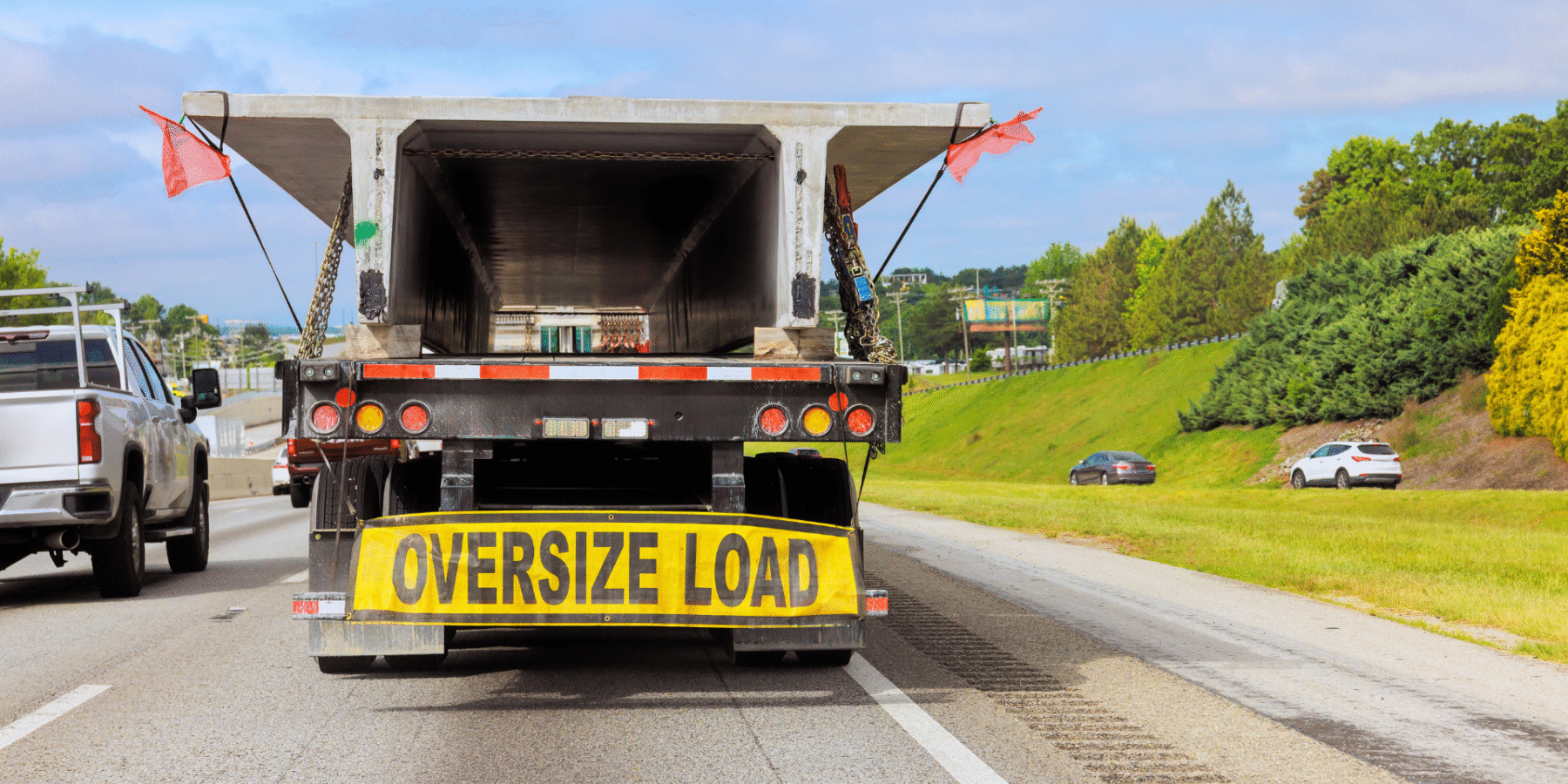
Last Tuesday in Harrison County, an oversized load truck became involved in a serious crash that left another vehicle pinned against a guardrail, per WDTV. The collision occurred when the large truck carrying an oversized load struck the smaller vehicle, forcing it into the guardrail and trapping it against the roadside barrier. Emergency responders were called to the scene to assist those involved and secure the area, highlighting the severity of the impact. At least one person was reported injured in the wreck, though authorities have not yet released detailed information about the extent of injuries or ongoing investigations. The incident caused traffic disruptions as crews worked to clear the scene and ensure safety for other drivers on the roadway.
Crashes involving oversized load trucks highlight the unique dangers large commercial vehicles can pose on Harrison County roadways. When a vehicle becomes pinned against a guardrail, the force involved can leave occupants with little room to escape, increasing the risk of serious injury. Victims and their families are frequently left coping with physical injuries, vehicle damage, and uncertainty about how the crash occurred. Sorting through medical care, accident investigations, and insurance issues can quickly become overwhelming. At Kaufman & McPherson, we understand how frightening and disruptive serious truck-related crashes can be, and we work to help injured individuals protect their rights and pursue accountability. Call us today at (304) 449-5157 to find out how we can help.
Why Legal Support Matters After a Harrison County Load Truck Crash
A Harrison County load truck crash can have devastating consequences for those involved, and at Kaufman & McPherson, we understand how complex and overwhelming these cases can become. Crashes involving oversized or improperly secured loads often raise serious questions about safety compliance, route planning, and driver responsibility. These cases may involve multiple liable parties, including trucking companies, load handlers, or third-party contractors, each with their own insurers and legal teams. We work to investigate every detail, review applicable regulations, and identify where safety failures occurred so our clients are not left bearing the burden alone.
Beyond the legal complexity, a Harrison County load truck crash can disrupt nearly every aspect of a victim’s life. Serious injuries may require extensive medical treatment, time away from work, and long-term rehabilitation, placing emotional and financial strain on entire families. At Kaufman & McPherson, we take a hands-on approach, handling communication with insurers, preserving critical evidence, and advocating for our clients at every stage of the process. We believe injured individuals deserve clear guidance, steady support, and determined representation while they focus on healing and rebuilding their lives.
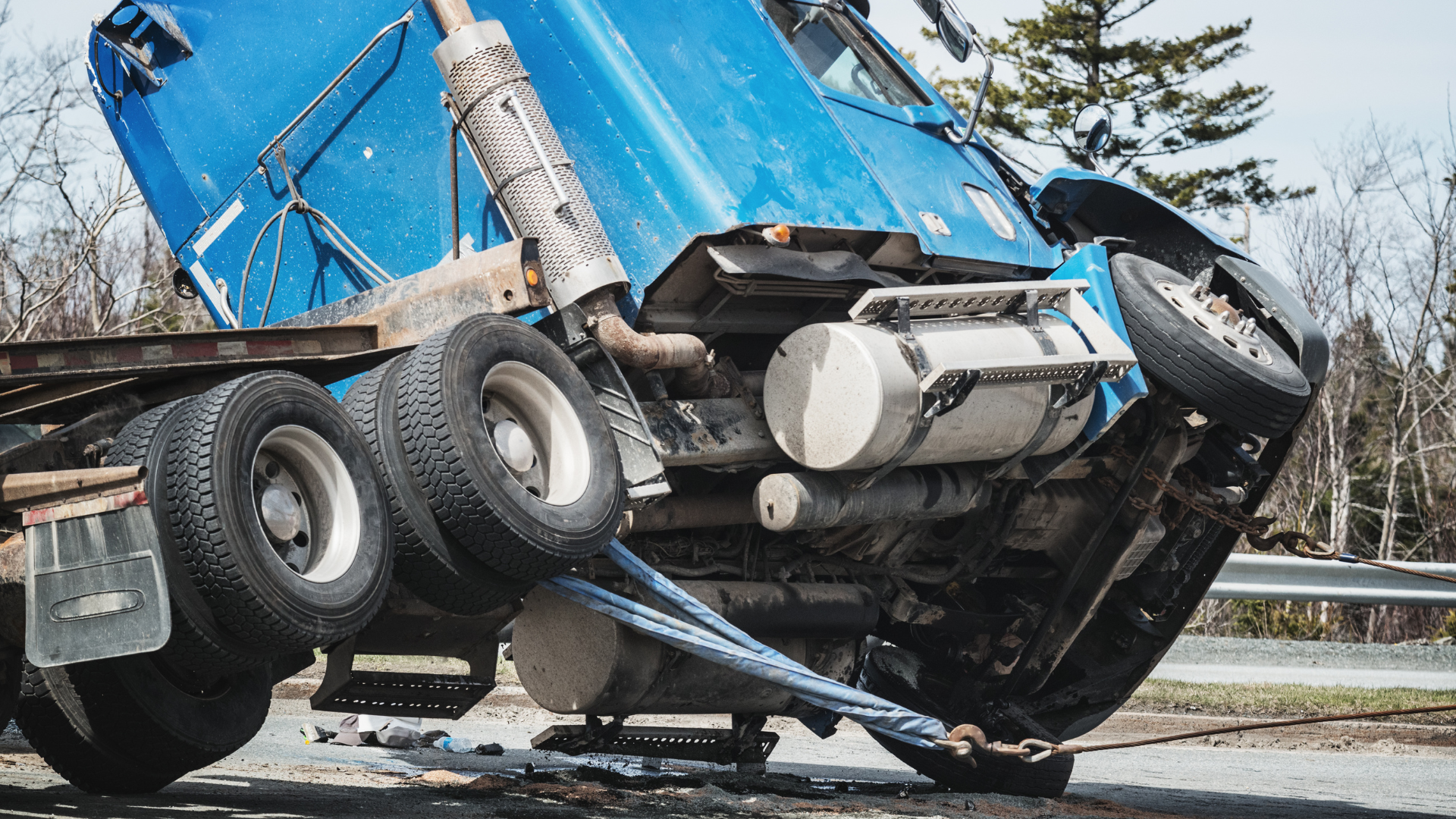
Steps to Take After a Harrison County Crash Involving a Load Truck
Taking the right steps after a Harrison County crash involving a load truck can help protect both health and legal rights. These crashes often involve large commercial vehicles, which increases injury severity and claim complexity. Acting thoughtfully in the aftermath supports recovery and preserves important evidence. Clear steps can reduce confusion during an already stressful situation.
Seek Immediate Medical Attention
Medical care should always be the first priority after a load truck crash. Even if injuries seem minor, internal or delayed symptoms may develop later. Prompt evaluation helps identify injuries early and begin proper treatment. Medical records also create a clear link between injuries and the crash.
Monitor for Delayed or Hidden Injuries
Some injuries take time to present noticeable symptoms. Head injuries, soft tissue damage, and internal trauma may worsen without treatment. Delaying care can complicate recovery and insurance claims. Ongoing monitoring supports accurate diagnosis.
Contact Law Enforcement and Report the Crash
Calling law enforcement ensures the crash is officially documented. Officers assess the scene, speak with drivers, and prepare an incident report. This report often becomes a key piece of evidence. Accurate documentation helps establish how the crash occurred.
Request a Copy of the Crash Report
Crash reports contain driver information, witness details, and initial findings. Reviewing the report helps confirm accuracy. Errors should be addressed quickly. Keeping a copy supports future claims.
Document the Scene and Gather Evidence
Collecting evidence at the scene strengthens any future claim. Photos capture vehicle damage, load position, and roadway conditions. Exchanging information with the truck driver ensures accurate records. Witness statements may provide additional insight.
Photograph the Load and Vehicle Positions
Load placement and securement can be critical in these cases. Photos help show whether cargo shifted or contributed to the crash. Vehicle positioning may reveal impact dynamics. Visual evidence supports liability analysis.
Avoid Discussing Fault or Making Assumptions
Statements made after a crash can affect legal outcomes. Admitting fault or speculating about causes may be misinterpreted later. Keeping communication factual helps protect legal interests. Caution is especially important when speaking with insurers.
Decline Recorded Statements Without Guidance
Insurance adjusters often request early statements. These recordings may be used to minimize claims. Taking time before responding helps ensure accuracy. Proper guidance protects claim value.
Preserve Medical and Financial Records
Keeping organized records supports recovery and claims. Medical bills, treatment notes, and receipts document losses. Employment records help show income disruption. Proper organization strengthens compensation requests.
Track Expenses and Recovery Progress
Out-of-pocket costs often add up quickly. Tracking expenses ensures they are not overlooked. Notes about pain levels and limitations can be helpful. Documentation supports damage evaluation.
Follow Medical Advice and Treatment Plans
Consistent treatment supports both recovery and documentation. Skipping appointments may affect healing and claims. Following provider recommendations shows commitment to recovery. Clear medical timelines reduce disputes.
Attend Follow-Up Appointments
Follow-up visits help monitor progress. Adjustments to treatment plans may be necessary. Ongoing care supports accurate records. Consistency benefits long-term outcomes.
Consider Legal Guidance Early
Load truck crashes often involve complex liability issues. Multiple parties may share responsibility. Early legal involvement helps preserve evidence and clarify rights. Guidance reduces stress during recovery.
Protect Evidence and Future Options
Critical evidence may be lost without prompt action. Legal support helps secure records and documentation. Early steps protect future options. This approach supports fair outcomes.
Compensation Available in a Harrison County Truck Crash Case
Compensation in a Harrison County truck crash case is intended to address the wide-ranging losses victims often experience after a serious collision. Truck crashes frequently cause severe injuries that lead to significant medical costs, income disruption, and long-term life changes. A thorough evaluation of damages helps ensure victims are not left paying for harm caused by another party’s negligence. Understanding available compensation categories provides clarity during an otherwise uncertain time.
Medical Expenses and Ongoing Treatment Costs
Medical expenses often represent the most immediate and overwhelming losses after a truck crash. Emergency care, hospital stays, surgeries, and follow-up appointments can quickly accumulate. Many victims also require physical therapy, rehabilitation, or specialized medical equipment. Compensation may include both current medical bills and the cost of future treatment needs.
Long-Term Care and Rehabilitation Needs
Some injuries require extended or lifelong medical care. Ongoing therapy, in-home assistance, or adaptive devices may become necessary. These future costs must be carefully projected. Including long-term care needs helps ensure financial stability during recovery.
Lost Wages and Reduced Earning Capacity
Time away from work is common after a serious truck crash. Missed paychecks can place immediate strain on households. In some cases, injuries prevent victims from returning to the same type of work. Compensation may account for both lost wages and reduced future earning potential.
Impact on Career and Employment Opportunities
Permanent limitations can affect career paths and advancement opportunities. Job retraining or role changes may be required. These disruptions can have lasting financial effects. Proper evaluation helps reflect the true impact on earning capacity.
Pain, Suffering, and Emotional Distress
Truck crash injuries often cause significant physical pain and emotional hardship. Chronic discomfort, anxiety, and trauma can affect daily life and relationships. These non-economic damages recognize losses beyond financial costs. Compensation reflects the personal toll of the accident.
Loss of Enjoyment and Quality of Life
Injuries may prevent victims from participating in activities they once enjoyed. Limitations can affect independence and personal fulfillment. Adjusting to these changes can be emotionally challenging. Compensation accounts for diminished quality of life.
Property Damage and Related Losses
Truck crashes frequently result in extensive vehicle damage. Repair or replacement costs can be substantial. Personal property inside the vehicle may also be damaged or destroyed. Compensation helps cover these tangible losses.
Transportation and Out-of-Pocket Expenses
Rental vehicles, towing, and transportation costs often follow a crash. Out-of-pocket expenses may add up quickly. Documentation helps ensure these costs are included. Reimbursement supports day-to-day recovery needs.
Future Damages and Financial Security
Serious truck crashes often have long-term consequences. Compensation may include future losses tied to ongoing medical care or disability. Planning for future needs helps reduce uncertainty. This approach supports long-term financial security.
Addressing Permanent Disabilities
Permanent impairments may require accommodations or lifestyle changes. Assistive devices or home modifications may be necessary. These costs deserve careful consideration. Compensation helps address lasting effects of the crash.
Factors That Influence Compensation Amounts
Several factors affect how compensation is calculated in truck crash cases. Injury severity, liability clarity, and available insurance coverage all play roles. Strong evidence supports higher damage valuations. Thorough preparation improves outcomes.
Importance of Documentation and Expert Support
Medical records, financial statements, and expert opinions strengthen claims. Accurate documentation supports credibility. Expert analysis helps explain complex losses. This support contributes to fair compensation evaluations.
What a Harrison County Load Truck Crash Lawyer Looks for in Oversized Load Cases
Oversized load crashes present unique dangers and legal complexities that require close scrutiny. A Harrison County load truck crash lawyer examines these cases with a focus on safety regulations, load management, and decision-making leading up to the collision. Oversized loads increase stopping distances, limit maneuverability, and heighten risks for surrounding drivers. Careful investigation helps determine whether preventable violations contributed to the crash.
Compliance With Oversized Load Regulations
Oversized loads must follow strict state and federal regulations designed to protect public safety. These rules govern load dimensions, weight limits, and required permits. Violations can significantly increase the likelihood of serious crashes. Reviewing regulatory compliance helps identify early signs of negligence.
Permits, Route Restrictions, and Travel Conditions
Oversized loads often require special permits that limit where and when trucks may travel. Certain roads, bridges, and weather conditions may be prohibited. Failure to follow approved routes can create hazardous situations. Permit documentation helps confirm whether proper planning occurred.
Load Securement and Cargo Stability
Proper load securement is critical when transporting oversized cargo. Shifting or unbalanced loads can cause sudden loss of control. Even minor securement failures may lead to catastrophic outcomes. Examining how cargo was loaded and restrained helps determine fault.
Tie-Down Systems and Weight Distribution
Federal regulations require specific tie-down methods based on load type and size. Uneven weight distribution can affect steering and braking. Inspection records and photographs may reveal improper securement. These details often play a key role in liability determinations.
Driver Training and Experience
Transporting oversized loads requires specialized training and experience. Drivers must understand handling limitations and safety protocols. Inexperienced or improperly trained drivers increase crash risks. Reviewing driver qualifications helps assess responsibility.
Oversized Load Endorsements and Safety Training
Drivers may need additional certifications to haul oversized cargo. Safety training should cover turning radius, braking distance, and hazard awareness. Lack of training may point to employer negligence. Employment records often clarify these issues.
Use of Escort Vehicles and Warning Measures
Many oversized loads require escort or pilot vehicles to warn other motorists. These vehicles help manage traffic and alert drivers to hazards. Missing or improperly used escorts can increase danger. Reviewing escort requirements helps identify violations.
Signage, Lighting, and Visibility Measures
Oversized loads must display warning signs, flags, and lighting. Poor visibility increases collision risks, especially at night or in low-light conditions. Failure to use proper warnings may contribute to crashes. Visual evidence often supports these findings.
Truck and Equipment Condition
Oversized loads place additional stress on trucks and equipment. Mechanical reliability becomes especially important under heavy strain. Brake systems, tires, and suspension must meet safety standards. Equipment failures can worsen crash severity.
Maintenance Records and Pre-Trip Inspections
Routine inspections help identify mechanical issues before transport begins. Maintenance logs reveal whether safety concerns were addressed. Skipped inspections may indicate negligence. Proper documentation strengthens accountability.
Coordination Between Multiple Parties
Oversized load transport often involves several entities. Trucking companies, load planners, and third-party contractors may all play roles. Poor coordination can lead to unsafe decisions. Identifying each party’s responsibilities supports comprehensive liability analysis.
Communication Failures and Planning Errors
Miscommunication about routes, load dimensions, or timing can create hazards. Planning errors may place oversized loads in unsafe environments. Reviewing correspondence and planning documents helps uncover these issues. Accountability depends on understanding how decisions were made.
Impact on Surrounding Motorists
Oversized load crashes often leave little room for other vehicles to react. Passenger vehicles may become pinned or forced off the roadway. These dynamics increase injury severity. Understanding impact mechanics helps explain why outcomes were so severe.
Assessing Preventability and Safety Alternatives
Evaluating whether safer alternatives existed is important. Route changes, additional escorts, or delayed transport may have reduced risks. Identifying missed precautions supports negligence claims. Preventability analysis strengthens the overall case.
When to Contact a Harrison County Load Truck Crash Lawyer
Knowing when to contact a Harrison County load truck crash lawyer can make a meaningful difference in how an injury claim develops. Crashes involving oversized or heavy commercial loads often create serious injuries and complex liability issues. Early legal involvement helps protect evidence, clarify rights, and prevent costly mistakes. Seeking guidance sooner rather than later allows victims to focus on recovery while their case is properly handled.
After a Serious Injury or Hospitalization
Serious injuries often signal the need for legal support following a load truck crash. Hospitalization, surgery, or ongoing treatment usually indicates significant damages. These situations often involve higher medical costs and longer recovery periods. Legal guidance helps ensure these losses are properly documented.
When Injuries Affect Daily Life or Work
Injuries that limit mobility or prevent returning to work can create long-term challenges. Lost income and reduced earning capacity may follow. These impacts deserve careful evaluation. Early legal involvement helps preserve claims tied to these losses.
When an Oversized or Improper Load Is Involved
Load truck crashes frequently raise concerns about cargo size, weight, and securement. Improperly loaded or oversized cargo can increase crash severity. These cases often involve specific regulations and safety standards. Identifying violations requires detailed investigation.
Concerns About Load Securement or Route Planning
Shifting cargo or restricted roadway routes may contribute to crashes. Load planners and trucking companies may share responsibility. These factors are not always obvious at the scene. Legal review helps uncover hidden liability issues.
If Fault Is Disputed or Unclear
Fault is not always immediately clear after a load truck crash. Trucking companies and insurers may dispute responsibility. Conflicting statements can complicate claims. Legal assistance helps clarify liability.
When Multiple Parties May Share Responsibility
Load truck crashes may involve drivers, trucking companies, loaders, or third parties. Each party may attempt to shift blame. Identifying all responsible parties helps protect compensation rights. Thorough analysis supports fair outcomes.
When Insurance Companies Push for Quick Statements or Settlements
Insurance adjusters often act quickly after commercial truck crashes. Early settlement offers may appear helpful but often undervalue claims. Statements given too soon can be misinterpreted. Legal guidance helps manage these interactions carefully.
Pressure to Accept Early Settlement Offers
Quick offers may not account for future medical needs. Accepting too early can limit recovery options. Understanding claim value takes time. Legal support helps prevent rushed decisions.
If Evidence Needs Immediate Preservation
Critical evidence may be lost or destroyed without prompt action. Truck data, maintenance records, and load documentation can disappear quickly. Early legal involvement helps preserve this information. Preserved evidence strengthens claims.
Protecting Truck Data and Documentation
Electronic data and service records often play key roles. Preservation letters help secure this information. Delay can weaken a case. Early steps help protect important evidence.
When the Crash Causes Long-Term Uncertainty
Load truck crashes can leave victims uncertain about health, finances, and the future. Questions about recovery and stability often arise. Legal guidance helps provide clarity during this time. Support allows victims to plan ahead with confidence.
Balancing Recovery With Legal Decisions
Managing recovery while navigating legal issues can feel overwhelming. Legal support reduces this burden. Clear guidance helps victims make informed choices. This balance supports both healing and accountability.

How Personal Injury Attorneys in Harrison County Help Crash Victims Heal
Personal injury attorneys in Harrison County play an important role in helping crash victims regain stability after serious accidents. Injuries from truck crashes often disrupt physical health, finances, and emotional well-being all at once. Legal guidance helps victims understand their rights while reducing stress during recovery. With the right support, injured individuals can focus on healing while their case progresses.
Providing Guidance Through the Legal Process
The legal process after a crash can feel confusing and overwhelming. Attorneys help victims understand what steps to take and what to expect at each stage. Clear explanations reduce uncertainty and help clients make informed decisions. This guidance creates a sense of control during an otherwise difficult time.
Explaining Rights and Legal Options Clearly
Crash victims often have questions about liability and compensation. Attorneys explain how personal injury laws apply to each situation. Understanding available options empowers victims throughout the process. Clear communication helps prevent costly mistakes early on.
Handling Insurance Companies and Claims
Insurance companies often contact victims shortly after a crash. Attorneys step in to manage these communications and protect client interests. This support helps prevent statements from being misunderstood or misused. Professional handling of claims reduces unnecessary stress.
Managing Adjuster Communications and Paperwork
Insurance paperwork can be time-consuming and confusing. Attorneys organize documents and respond to insurer requests. This approach helps keep claims moving forward efficiently. Victims benefit from fewer delays and clearer expectations.
Investigating the Crash and Preserving Evidence
Strong cases depend on thorough investigations. Attorneys gather evidence before it becomes unavailable. This process helps establish how the crash occurred and who is responsible. Early investigation strengthens overall claims.
Securing Reports, Records, and Witness Statements
Police reports and witness accounts provide critical details. Medical records help link injuries to the crash. Attorneys ensure evidence is collected and preserved properly. Reliable documentation supports fair outcomes.
Supporting Medical and Financial Recovery
Serious injuries often require ongoing medical care and time away from work. Attorneys consider both current and future needs when handling claims. This approach helps address long-term recovery challenges. Financial stability supports overall healing.
Coordinating Documentation for Ongoing Treatment
Medical records must reflect consistent care and progress. Attorneys help track treatment documentation accurately. This coordination supports compensation claims. Clear records reduce disputes over medical needs.
Advocating for Fair Compensation
Fair compensation plays a key role in recovery after a crash. Attorneys pursue damages that reflect the full impact of injuries. This advocacy helps victims avoid undervalued settlements. Strong representation promotes accountability.
Addressing Both Economic and Emotional Losses
Medical bills and lost income create financial strain. Emotional distress and lifestyle changes also matter. Attorneys account for all losses when building claims. Comprehensive advocacy supports long-term recovery.
Offering Ongoing Support and Communication
Legal support continues throughout the entire case. Attorneys keep clients informed as matters progress. Regular updates reduce anxiety and confusion. Consistent communication builds trust and confidence.
Helping Victims Focus on Healing
By handling legal responsibilities, attorneys reduce daily burdens. Victims can prioritize treatment and rest. This support contributes to smoother recoveries. Legal guidance helps restore balance after a crash.
Contact an Experienced Harrison County Load Truck Crash Lawyer Today
After a serious trucking collision, having experienced legal guidance can make a meaningful difference in how a case unfolds. At Kaufman & McPherson, we bring extensive experience handling complex truck crash cases throughout Harrison County and surrounding areas. We understand how trucking companies and insurers often move quickly to protect their interests, which can place injured victims at a disadvantage. Our team works to level the playing field by thoroughly investigating the crash, identifying all responsible parties, and building claims that reflect the full scope of our clients’ injuries and losses.
We’re committed to standing beside our clients during one of the most challenging periods of their lives, providing clarity, communication, and strong advocacy from start to finish. At Kaufman & McPherson, we focus on protecting your rights while pursuing accountability from negligent drivers, trucking companies, and other responsible parties. If you or a loved one has been injured in a Harrison County load truck crash, call (304) 449-5157 or reach out online today to discuss your situation and learn how we can help you move forward with confidence.
Contact usfor a free consultation.
Phone: (304) 449-5157