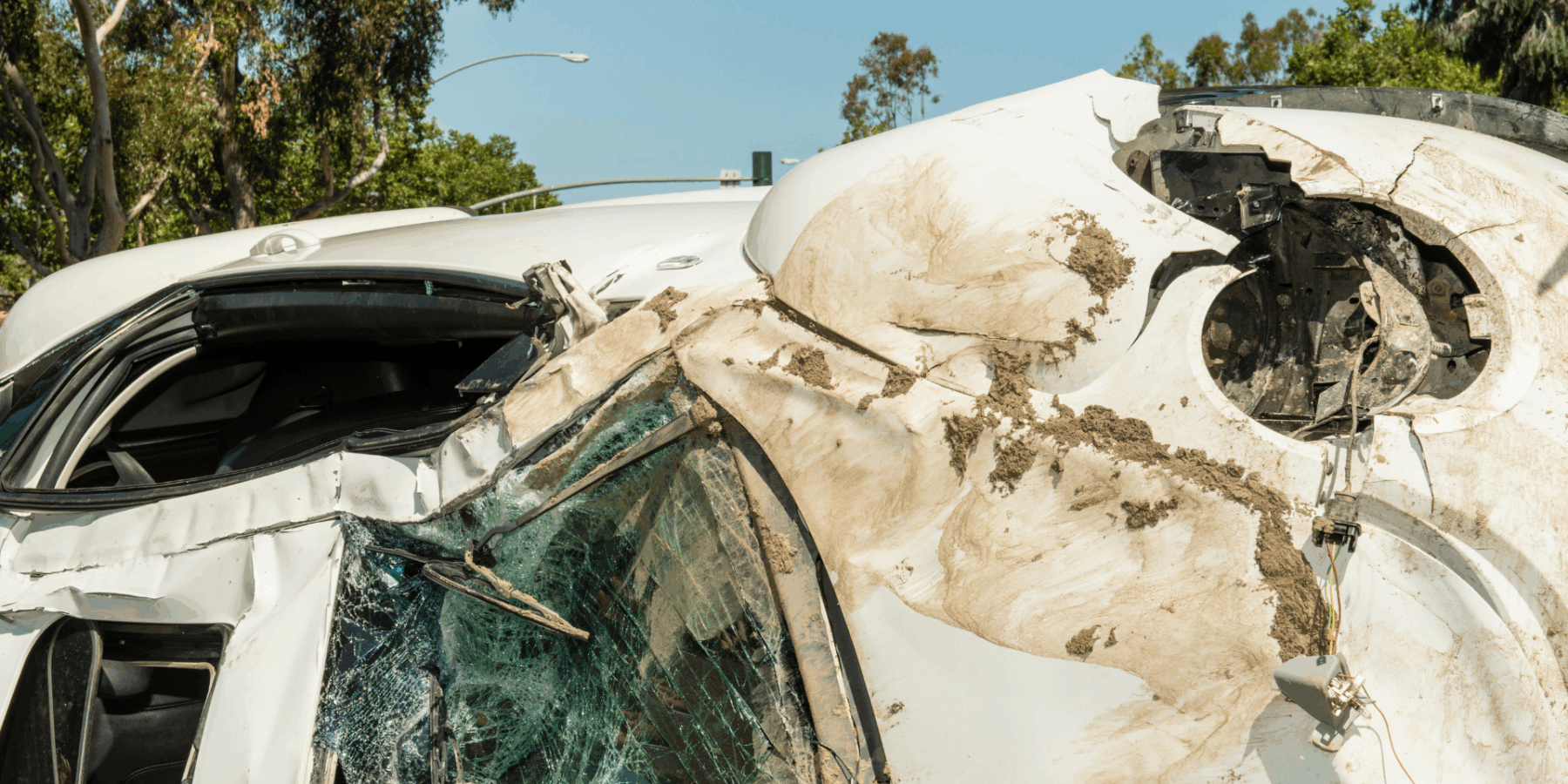
A five-vehicle rollover crash caused the temporary closure of both northbound and southbound lanes of Interstate 79 in Monongalia County last week, according to Connect Bridgeport. The rollover collision occurred around 6:05 p.m. near the 152-mile marker in Westover, prompting deputies and emergency crews to respond. Monongalia County EMS and the Westover Volunteer Fire Department provided medical assistance at the scene and transported two injured individuals to J.W. Ruby Memorial Hospital in Morgantown, though the extent of their injuries was not disclosed. Traffic on I-79 was shut down while investigators worked to clear debris and examine the scene, with all lanes reopening hours later.
This multi-vehicle rollover Bridgeport crash highlights how quickly a serious highway collision can escalate into a dangerous and chaotic emergency, especially when fire crews and medical responders are required at the scene. Accidents involving rollovers and multiple vehicles often create heightened risks of injury due to vehicle instability, secondary impacts, and the potential for fire-related hazards. Even when victims receive prompt medical attention, the physical, emotional, and financial effects of a rollover crash can be long-lasting and difficult to manage. At Kaufman & McPherson, we understand how overwhelming the aftermath of a major crash can be and are committed to helping injured individuals and families understand their legal options and protect their rights. Call us now at (304) 449-5157 to get the help you deserve.
Why an Attorney Is Crucial for a Multi-Vehicle Rollover Crash in Bridgeport
A multi-vehicle rollover Bridgeport crash can create complex legal and factual challenges that are difficult to navigate without experienced guidance, and at Kaufman & McPherson, we understand how overwhelming these situations can be for injured victims and their families. When several vehicles are involved, determining how the crash occurred and who may be responsible often requires careful review of evidence, witness statements, and accident reports. We work to analyze these details thoroughly so our clients are not left facing unanswered questions or unfair blame. Our role is to provide clarity and stability during a time when confusion and stress are common.
In addition, a multi-vehicle rollover crash often results in serious injuries, extensive property damage, and complicated insurance issues involving multiple carriers. At Kaufman & McPherson, we help clients manage communications with insurers, understand their rights, and evaluate the full impact of their injuries and losses. We focus on protecting our clients’ interests while working toward outcomes that reflect the seriousness of the crash and its long-term consequences. With experienced legal support, individuals affected by a multi-vehicle rollover Bridgeport crash can move forward with greater confidence and peace of mind.
What to Do After a Multi-Vehicle Bridgeport Crash
A multi-vehicle Bridgeport crash can leave those involved feeling overwhelmed by confusion, injuries, and rapidly changing circumstances. These crashes often happen suddenly and involve multiple points of impact, making it difficult to immediately understand what occurred. Taking the right steps after the collision helps protect personal safety, preserve important information, and reduce complications later. Knowing how to respond allows individuals to regain a sense of control during a chaotic situation.
Prioritizing Safety and Medical Attention
Safety should remain the top priority after a multi-vehicle crash. Individuals should check for injuries and move to a safer location if conditions allow. Even when injuries appear minor, seeking medical evaluation is important due to the risk of delayed symptoms. Early medical care supports both physical recovery and accurate documentation.
Monitoring Injuries That May Appear Later
Adrenaline can mask pain immediately after a crash. Symptoms such as stiffness, headaches, or discomfort may develop hours or days later. Keeping track of these changes helps ensure proper treatment. Follow-up care strengthens medical records and recovery efforts.
Documenting the Scene and Gathering Information
Accurate documentation plays a key role after a multi-vehicle Bridgeport crash. Photographs of vehicle damage, roadway conditions, and traffic positioning help preserve details that may change quickly. Exchanging information with other drivers and collecting witness contact details adds clarity. Early documentation reduces reliance on memory alone.
Preserving Details Before They Are Lost
Vehicles may be moved, debris cleared, and traffic patterns restored shortly after the crash. Taking photos early captures critical context. Witness memories may fade over time. Preserving details promptly supports clearer evaluations later.
Reporting the Crash and Following Local Procedures
Reporting requirements may vary depending on injuries and property damage. Law enforcement may respond to serious multi-vehicle crashes, but some situations require delayed or online reporting. Following proper procedures helps ensure the incident is officially documented. Accurate reporting supports insurance and legal processes.
Understanding When Police Reports Are Required
Serious injuries or significant damage typically require police involvement. Knowing when reports must be filed helps avoid compliance issues. Delayed reporting may complicate claims. Awareness of local procedures supports smoother resolution.
Determining Fault in a Multi-Vehicle Bridgeport Crash
Determining fault in a multi-vehicle Bridgeport crash often proves more complex than in two-vehicle accidents. Multiple drivers, varying actions, and rapid sequences of impact make liability assessments challenging. Investigators must carefully reconstruct events to understand how the crash unfolded. This process helps clarify responsibility and accountability.
Evaluating Chain-Reaction Collisions
Many multi-vehicle crashes involve chain-reaction impacts triggered by an initial collision. Investigators analyze how the first impact occurred and how subsequent collisions followed. Each driver’s actions are reviewed in context. Understanding the chain reaction helps allocate responsibility accurately.
Identifying the Initial Triggering Event
The first collision often sets the sequence in motion. Investigators examine speed, braking, and following distance to identify the trigger. Determining this event provides a foundation for liability analysis. Clear identification helps reduce disputes.
Reviewing Driver Behavior and Road Conditions
Driver behavior before the crash plays a significant role in fault determinations. Speed, attentiveness, and reaction time are carefully examined. Road conditions, visibility, and traffic patterns are also considered. These factors help explain how the crash occurred.
Role of Weather and Visibility Factors
Poor weather or reduced visibility may influence driver actions. However, drivers are expected to adjust behavior accordingly. Investigators assess whether reasonable care was exercised. These considerations affect liability conclusions.
Comparative Fault and Shared Responsibility
In some cases, multiple drivers may share responsibility for a multi-vehicle Bridgeport crash. Small errors by several drivers can combine to cause serious collisions. Comparative fault assessments assign responsibility proportionally. Understanding this concept helps explain divided liability outcomes.
How Shared Fault Affects Claims
Shared fault may influence compensation amounts. Each party’s contribution is evaluated carefully. These determinations affect negotiations and resolutions. Awareness supports realistic expectations.
How Insurance Companies Handle a Multi-Vehicle Bridgeport Crash
Insurance companies often approach a multi-vehicle Bridgeport crash with heightened scrutiny due to the number of drivers, vehicles, and policies involved. When several parties are potentially responsible, insurers focus heavily on limiting their own financial exposure rather than simplifying the process for those affected. Each insurer works to build a narrative that minimizes its policyholder’s role in the collision, which can result in conflicting conclusions and prolonged investigations. Understanding how insurance companies handle these cases helps injured individuals anticipate delays, disputes, and additional documentation requests.
Separate Investigations by Multiple Insurers
In a multi-vehicle Bridgeport crash, each insurance company typically conducts its own independent investigation. Adjusters review police reports, photographs, vehicle damage, and driver statements to determine how their insured may have contributed to the crash. These investigations often occur simultaneously but without coordination between insurers. As a result, conclusions about fault may differ significantly, which can slow progress toward resolution.
Managing Conflicting Insurance Determinations
Conflicting insurance determinations are common when multiple insurers analyze the same crash from different perspectives. One insurer may assign primary fault to another driver, while another reaches the opposite conclusion. Resolving these disputes often requires additional evidence, clarification, and negotiation between carriers. This process can take time, making patience and awareness important for those involved.
Attempts to Shift or Minimize Responsibility
Insurance companies frequently attempt to shift responsibility to other drivers involved in a multi-vehicle crash. Partial fault arguments are especially common in these cases, where insurers claim that another driver’s actions played a role in causing the collision. By spreading blame, insurers aim to reduce the amount they may be required to pay. Understanding this strategy helps individuals remain cautious when communicating with insurance adjusters.
Use of Comparative Fault Arguments
Adjusters may rely on comparative fault arguments to limit compensation by pointing to even minor actions taken by other drivers. Allegations such as following too closely, delayed braking, or momentary inattention may be used to reduce liability. Clear and consistent evidence becomes essential in countering these claims. Strong documentation helps prevent responsibility from being unfairly shifted.
Delayed Settlement Discussions
Settlement discussions in multi-vehicle Bridgeport crash cases often take longer than in simpler accidents. Insurance companies may delay negotiations until all investigations are completed and liability disputes are addressed. These delays can place financial pressure on injured individuals dealing with medical expenses and repair costs. Understanding this timeline helps reduce frustration and set realistic expectations.
Requests for Additional Documentation
Insurers frequently request supplemental documentation throughout the claims process, including updated medical records, repair estimates, and written statements. Each request can extend the timeline if information is incomplete or delayed. Keeping records organized and readily available supports more efficient responses. Preparation and consistency help keep claims moving forward despite repeated requests.
Legal Challenges Unique to a Multi-Vehicle Bridgeport Crash
A multi-vehicle Bridgeport crash presents legal challenges that go far beyond those involved in simpler two-vehicle accidents. When several drivers, insurance companies, and potential witnesses are involved, the legal process becomes layered and difficult to navigate. Disputes over fault, conflicting evidence, and overlapping claims can slow progress and create frustration for those seeking answers. Understanding these challenges helps explain why multi-vehicle crashes require careful handling, thorough investigation, and strategic coordination.
Managing Multiple Parties and Claims
Multi-vehicle crashes often involve several drivers, multiple insurance carriers, and a wide range of interests that must be addressed simultaneously. Each party may retain separate insurers or legal representation, all working to protect their own positions. Coordinating claims among these parties requires careful organization and attention to detail. This complexity can make even routine steps, such as information exchange or settlement discussions, more time-consuming.
Overlapping Legal Positions and Defenses
Drivers and insurance companies frequently rely on conflicting defenses in multi-vehicle crash cases. One party may argue sudden stopping caused the crash, while another points to speed or distraction by a different driver. These overlapping positions require detailed analysis of timelines, vehicle movement, and supporting evidence. Resolving these disputes often takes time, making patience and preparation essential for those involved.
Evidence Preservation and Disputes
Evidence plays a critical role in determining responsibility after a multi-vehicle Bridgeport crash, yet it is often incomplete or disputed. Conflicting accounts from drivers and witnesses can complicate efforts to reconstruct the sequence of events. Physical evidence such as vehicle damage or roadway markings may change quickly after the crash. These challenges make careful evidence evaluation and preservation especially important.
Importance of Early and Thorough Documentation
Early documentation helps reduce disputes and confusion later in the legal process. Photographs, witness contact information, and written observations preserve details that may otherwise be lost. Missing or incomplete evidence can weaken claims and create opportunities for dispute. Prompt and thorough documentation strengthens the foundation for clearer liability assessments.
Extended Timelines and Procedural Complexity
Multi-vehicle crash cases often take longer to resolve due to the scope of investigation required. Multiple insurance reviews, expert evaluations, and procedural requirements can extend timelines significantly. Victims may experience prolonged uncertainty while fault and compensation issues are addressed. Recognizing that extended timelines are common helps manage expectations and reduce frustration.
Balancing Patience With Preparation
While patience is often necessary, preparation remains equally important in complex cases. Rushed decisions may overlook important details or weaken negotiating positions. Taking the time to gather information, understand developments, and plan next steps supports stronger outcomes. Balancing patience with active preparation helps individuals remain informed and confident throughout the process.
Compensation Available After a Multi-Vehicle Bridgeport Crash
Compensation after a multi-vehicle Bridgeport crash may address a wide range of losses caused by the collision and its aftermath. Because multiple vehicles are involved, injuries and property damage are often more severe, leading to greater financial and personal impact. Understanding the types of compensation that may be available helps injured individuals evaluate the full scope of their losses. A comprehensive view of compensation supports more informed recovery planning.
Medical Expenses and Ongoing Treatment Costs
Medical expenses often represent the most immediate and significant financial burden after a multi-vehicle crash. Emergency care, hospital stays, surgeries, and follow-up appointments can accumulate quickly. In many cases, ongoing treatment such as physical therapy or specialist care is required. Compensation may address both current medical bills and anticipated future treatment needs.
Long-Term Medical Care and Rehabilitation
Some injuries require extended rehabilitation or long-term medical management. These needs may include physical therapy, pain management, or assistive devices. Planning for long-term care helps ensure future expenses are not overlooked. Recognizing these needs supports more accurate compensation evaluation.
Lost Income and Reduced Earning Capacity
Injuries from a multi-vehicle Bridgeport crash may prevent individuals from working during recovery. Compensation may include lost wages for time missed from work. In more serious cases, injuries may limit future earning capacity or require career adjustments. Evaluating income loss helps address both short-term and long-term financial effects.
Impact on Employment and Career Stability
Severe injuries can affect job performance or limit available work options. Some individuals may need to reduce hours or change roles entirely. Compensation considers how these limitations affect long-term financial stability. Addressing career impact supports realistic recovery planning.
Pain, Suffering, and Emotional Distress
Non-economic damages address the personal toll of a serious crash. Physical pain, emotional distress, and reduced enjoyment of life may significantly affect daily living. These losses are often not reflected in medical bills alone. Recognizing emotional and personal harm supports a more complete view of recovery.
Addressing Psychological and Emotional Effects
Multi-vehicle crashes can lead to anxiety, stress, or difficulty returning to normal routines. Emotional recovery may require counseling or additional support. Acknowledging these effects reflects the full impact of the crash. Emotional considerations remain an important part of compensation discussions.
Property Damage and Related Costs
Multi-vehicle crashes often result in extensive vehicle damage. Compensation may cover repair costs or full replacement when damage is severe. Additional expenses such as towing, storage, or rental vehicles may also apply. Addressing property damage helps restore normal transportation needs.
Repair Versus Replacement Considerations
Some vehicles may be deemed unsafe or uneconomical to repair. Evaluating fair market value becomes important in replacement situations. Accurate assessment helps avoid disputes. Proper valuation supports fair resolution.
Why Evidence Matters After a Multi-Vehicle Bridgeport Crash
Evidence plays a critical role in understanding what happened during a multi-vehicle Bridgeport crash and determining responsibility. With multiple drivers and insurers involved, disputes over fault are common. Clear and well-preserved evidence helps establish facts objectively. Early evidence preservation supports accurate evaluations and fair outcomes.
Establishing How the Crash Occurred
Reconstructing a multi-vehicle crash requires detailed information. Photographs, vehicle damage, and roadway conditions help clarify the sequence of events. Evidence allows investigators to understand how each impact occurred. Accurate reconstruction supports fair fault determinations.
Importance of Scene Documentation
Crash scenes change quickly as vehicles are moved and debris is cleared. Photographs capture critical details that may not appear in reports. Early documentation preserves context. This information supports later analysis.
Supporting Injury and Damage Claims
Medical records and repair estimates connect injuries and property damage to the crash. These records demonstrate severity and scope of losses. Clear documentation strengthens compensation claims. Organized evidence reduces disputes.
Linking Injuries to the Collision
Medical documentation helps establish when symptoms began and how they progressed. Consistent treatment records support causation. Clear linkage prevents challenges to injury claims. Documentation remains essential.
Countering Conflicting Accounts
Different drivers may recall events differently under stress. Evidence provides objective reference points when accounts conflict. Physical documentation helps resolve discrepancies. Objective evidence often carries significant weight.
Role of Independent Witnesses and Video Evidence
Witness statements and video footage may confirm or challenge driver accounts. Independent perspectives strengthen understanding. Timely collection preserves accuracy. This evidence often proves valuable.
Preserving Evidence Before It Is Lost
Some evidence becomes unavailable quickly. Surveillance footage may be overwritten and vehicles repaired. Prompt action protects important information. Early preservation strengthens overall case clarity.
Time-Sensitive Evidence Considerations
Weather, traffic, and cleanup can alter scenes rapidly. Acting quickly helps secure details. Awareness supports effective preservation. Timely efforts protect accuracy.
How Bridgeport Personal Injury Attorneys Provide Expert Client Assistance
Bridgeport personal injury attorneys play a vital role in helping accident victims navigate the physical, financial, and legal challenges that follow a serious crash. After an accident, many individuals feel overwhelmed by medical needs, insurance communications, and uncertainty about their rights. With guidance from experienced Bridgeport personal injury attorneys, clients gain clarity about the legal process and the steps needed to protect their interests. This support allows injured individuals to focus on recovery while their case is handled with care and precision.
Evaluating the Accident and Explaining Legal Options
Bridgeport personal injury attorneys begin by carefully reviewing the details of how the accident occurred and how it affected the client. This evaluation includes analyzing reports, timelines, and available evidence to understand potential liability. Clear explanations help clients understand how West Virginia personal injury laws may apply to their situation. As a result, clients can make informed decisions rather than relying on assumptions or incomplete information.
Identifying Potentially Responsible Parties
Determining who may be responsible for an accident often requires detailed analysis. Bridgeport personal injury attorneys assess whether negligence, unsafe conditions, or violations of traffic laws contributed to the crash. This process may reveal multiple parties who share responsibility. Identifying all potentially liable parties helps strengthen the overall claim.
Managing Communication With Insurance Companies
Insurance companies often contact accident victims quickly, sometimes before the full extent of injuries is known. Bridgeport personal injury attorneys handle these communications to protect clients from unfair tactics or misleading requests. This representation helps ensure that statements are accurate and that claims are not undervalued. Clients benefit from having an advocate focused solely on their best interests.
Preventing Undervaluation of Injury Claims
Insurance adjusters may attempt to minimize payouts by questioning treatment decisions or injury severity. Bridgeport personal injury attorneys counter these efforts by presenting thorough documentation and consistent communication. This approach helps ensure injuries and losses are evaluated fairly. Protecting against undervaluation supports more equitable outcomes.
Gathering and Organizing Supporting Evidence
Strong personal injury claims rely on clear and well-organized evidence. Bridgeport personal injury attorneys coordinate the collection of medical records, accident reports, photographs, and witness statements. This preparation creates a comprehensive picture of how the accident occurred and its impact. Organized evidence strengthens both negotiations and potential litigation.
Preserving Time-Sensitive Information
Some evidence can be lost or altered as time passes. Bridgeport personal injury attorneys take steps to preserve critical materials early in the process. This proactive approach reduces the risk of missing important details. Early preservation supports long-term claim strength.
Evaluating the Full Impact of Injuries and Losses
Accidents often cause consequences that extend beyond immediate medical bills. Bridgeport personal injury attorneys evaluate lost income, future treatment needs, and how injuries affect daily life. This comprehensive assessment helps ensure all damages are considered. Understanding the full impact supports informed recovery planning.
Accounting for Long-Term and Future Consequences
Certain injuries may require ongoing care or result in lasting limitations. Bridgeport personal injury attorneys consider future medical expenses and potential changes to earning capacity. Addressing these long-term consequences helps avoid undervaluing a claim. Forward-looking evaluation supports stability and planning.
Guiding Clients Through Settlement or Litigation Decisions
Every personal injury case involves important decisions about how to pursue resolution. Bridgeport personal injury attorneys explain settlement options and potential litigation outcomes clearly. This guidance allows clients to choose paths aligned with their goals and circumstances. Informed decision-making reduces stress during an uncertain process.
Supporting Confident and Informed Choices
Legal decisions can feel intimidating for accident victims. Bridgeport personal injury attorneys provide steady guidance and honest insight throughout the case. This support helps clients weigh risks and benefits carefully. Confidence grows when clients understand each step and its potential impact.
Contact an Experienced Bridgeport Car Crash Lawyer Today
Facing the aftermath of a serious car accident can feel overwhelming, especially when injuries, vehicle damage, and unanswered questions arise all at once. At Kaufman & McPherson, we work closely with individuals and families affected by car crashes in Bridgeport to help them understand their rights and the legal options that may be available to them. We take the time to listen carefully to our clients’ concerns, review the circumstances surrounding the accident, and explain how the legal process may unfold so there are no surprises. Our team understands that each crash affects people differently, which is why we focus on providing personalized guidance rather than one-size-fits-all answers. Through clear communication and steady support, we aim to help our clients feel informed, supported, and confident as they move forward during a challenging and uncertain time.
If you or someone you love was injured in a Bridgeport car crash, we’re here to help you take the next step forward during a difficult and uncertain time. At Kaufman & McPherson, we are dedicated to protecting our clients’ interests and pursuing outcomes that reflect the full impact of their injuries, financial losses, and long-term challenges. We understand how disruptive a serious crash can be, and we work to shoulder the legal burden so our clients can focus on recovery and rebuilding their lives. Our team is committed to clear communication, careful case evaluation, and steady advocacy from start to finish. Call us today at (304) 449-5157 or fill out our online form to schedule a consultation and learn how we can help you move forward with confidence and support.
Contact usfor a free consultation.
Phone: (304) 449-5157