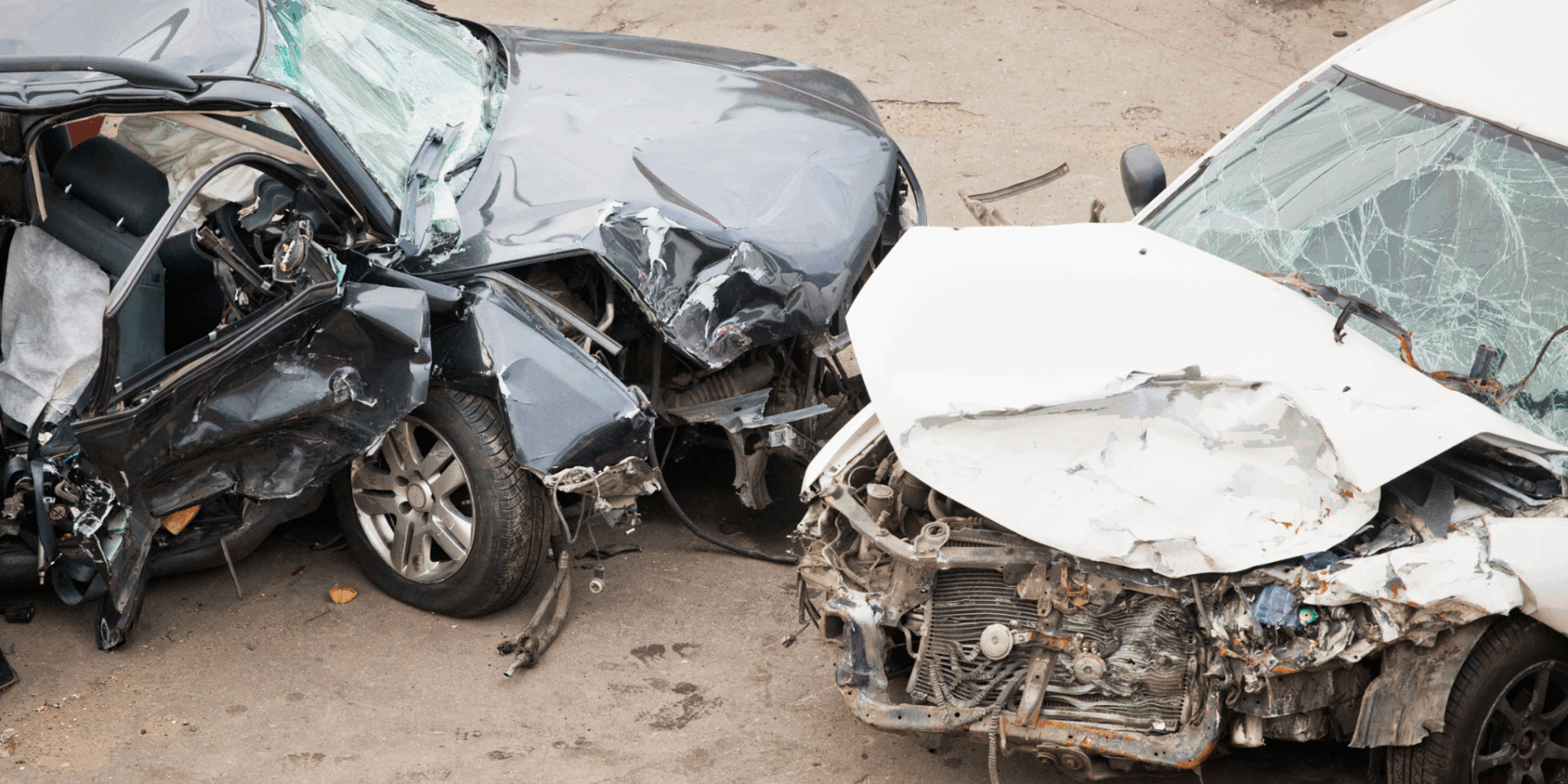
A two-vehicle collision slowed traffic Friday evening in Harrison County, according to WBOY. The crash occurred around 4:44 p.m. at the intersection of the Interstate 79 off-ramp and Buckhannon Pike, where two vehicles collided head-on. Emergency crews responded to the scene and found one vehicle with severe damage and another with moderate damage. Although the initial call reported injuries, no one was transported from the scene as authorities worked to manage traffic and assess the situation.
Head-on collisions like this one can leave significant damage, even when there are no fatalities. When two vehicles strike each other front-first, the force of impact can cause serious injuries, vehicle destruction, and major disruptions to surrounding traffic. Drivers and passengers involved in head-on crashes may still face hidden injuries, costly repairs, and lingering physical or emotional effects that are not immediately apparent at the scene. These accidents often raise difficult questions about fault, roadway safety, and how those affected can recover financially. At Kaufman & McPherson, we understand how overwhelming the aftermath of a serious crash can be and the importance of protecting your rights when another party’s negligence is involved. Call us today at (304) 449-5157 to discuss your case and learn how we can help.
Why a Harrison County Head-On Collision Calls for Legal Representation
A Harrison County head-on collision can leave victims facing serious injuries, vehicle damage, and overwhelming uncertainty, which is why our team at Kaufman & McPherson believe experienced legal representation is so critical. Head-on crashes often involve disputed fault, complex accident investigations, and insurance companies that work quickly to limit payouts. Having a knowledgeable attorney helps ensure evidence is preserved, liability is properly evaluated, and your rights are protected from the very beginning. Legal guidance can also prevent costly mistakes during communications with insurers.
At Kaufman & McPherson, our team understands the physical, emotional, and financial toll a serious head-on collision can take on individuals and families throughout Harrison County. We provide personalized support, handle insurance negotiations, and work to pursue compensation that reflects the full impact of the crash. From medical expenses and lost income to long-term recovery needs, our attorneys are committed to standing by clients at every stage of the process and helping them move forward with confidence.
Common Causes of a Harrison County Head-On Collision
Head-on collisions are among the most dangerous types of crashes on West Virginia roadways. In Harrison County, these accidents often occur suddenly and leave drivers with little time to react. Because vehicles travel toward each other at full speed, even small mistakes can result in catastrophic outcomes. Therefore, understanding the most common causes helps explain how these collisions happen and why they are often so severe. Identifying contributing factors also plays an important role in determining liability.
Distracted Driving
Distracted driving remains one of the leading causes of head-on collisions in Harrison County. When drivers take their eyes or attention off the road, they may drift into oncoming traffic. Activities such as texting, adjusting navigation systems, or eating can quickly lead to loss of lane control. Even brief distractions can have devastating consequences on two-lane roads. As a result, distraction significantly increases the risk of head-on crashes.
Cell Phone Use and In-Car Distractions
Cell phone use frequently pulls drivers’ focus away from driving responsibilities. Reading or sending messages often causes delayed reaction times. In-car distractions such as adjusting radios or reaching for items also reduce awareness. These moments of inattention can cause vehicles to cross the center line. Preventing distraction remains critical for roadway safety.
Impaired Driving
Impaired driving continues to play a major role in serious crashes across Harrison County. Alcohol and drugs affect judgment, coordination, and reaction time. Impaired drivers often struggle to maintain proper lane position. This behavior greatly increases the likelihood of head-on collisions. Unfortunately, impairment-related crashes often occur at higher speeds.
Alcohol and Drug Impairment
Alcohol impairment reduces a driver’s ability to make safe decisions. Drugs, including prescription medications, can also affect alertness and coordination. Impaired drivers may fail to recognize oncoming traffic. These factors often lead to devastating collisions. Evidence of impairment strongly influences fault determinations.
Speeding and Aggressive Driving
Speeding significantly reduces the time drivers have to react to changing road conditions. In Harrison County, many roads include curves, hills, and limited visibility. When drivers exceed safe speeds, they may lose control or cross into opposing lanes. Aggressive behaviors such as unsafe passing further increase danger. Speed-related crashes often result in severe injuries.
Unsafe Passing on Two-Lane Roads
Attempting to pass slower vehicles on two-lane roads creates extreme risk. Drivers may misjudge distance or speed of oncoming traffic. When passing attempts fail, head-on collisions often occur. These crashes happen quickly and leave little opportunity to avoid impact. Unsafe passing remains a common cause of fatal collisions.
Fatigue and Drowsy Driving
Driver fatigue can impair performance in ways similar to alcohol impairment. Tired drivers struggle with focus, reaction time, and decision-making. Drowsiness often causes drivers to drift across lane markings. In rural and highway areas of Harrison County, fatigue-related crashes occur frequently. Long drives and late-night travel increase this risk.
Microsleep and Loss of Awareness
Microsleep episodes occur when drivers briefly fall asleep without realizing it. These episodes may last only seconds but have serious consequences. During microsleep, drivers lose control of their vehicles entirely. This loss of awareness often leads to head-on collisions. Fatigue warning signs should never be ignored.
Poor Road Conditions and Visibility Issues
Road conditions can also contribute to head-on collisions in Harrison County. Narrow lanes, sharp curves, and limited lighting increase crash risk. Weather conditions such as rain, fog, or snow further reduce visibility and traction. When drivers fail to adjust for these conditions, accidents become more likely. Roadway design and maintenance play important roles in safety.
Weather-Related Driving Hazards
Wet or icy roads reduce vehicle control and stopping ability. Fog and heavy rain limit visibility of oncoming traffic. Drivers who continue at normal speeds face increased danger. Weather-related head-on collisions often occur unexpectedly. Caution during adverse conditions remains essential.
Vehicle Defects and Mechanical Failures
Mechanical problems can cause drivers to lose control without warning. Steering failures, brake malfunctions, or tire blowouts may force vehicles into oncoming lanes. In these cases, responsibility may extend beyond the driver. Proper vehicle maintenance helps reduce these risks. Mechanical failures require careful investigation.
Tire Blowouts and Steering Issues
Sudden tire blowouts often cause abrupt loss of control. Steering system failures may prevent drivers from correcting direction. These malfunctions can lead directly to head-on collisions. Maintenance records often help identify these issues. Technical analysis supports liability evaluations.
Why Identifying the Cause Matters
Understanding what caused a Harrison County head-on collision helps determine who may be held responsible. Different causes point to different forms of negligence or liability. Accurate cause identification supports fair compensation efforts. It also helps prevent similar crashes in the future. Thorough investigation remains essential in every case.
Steps to Take After a Harrison County Head-On Collision
A head-on collision often leaves those involved shaken, injured, and uncertain about what to do next. In Harrison County, these crashes frequently cause serious injuries that require immediate and ongoing attention. Because head-on collisions involve significant force, early decisions can strongly affect physical recovery and legal options. Therefore, knowing the proper steps to take can help protect your health and your rights. A calm and informed approach provides stability during a stressful situation.
Seek Immediate Medical Attention
Your health should always be the top priority after a head-on collision. Even if injuries seem minor, serious conditions may not show symptoms right away. Head injuries, internal bleeding, and spinal trauma often worsen without prompt care. Seeking medical attention creates a clear record of your injuries. Early treatment also improves recovery outcomes.
Follow All Medical Advice and Appointments
After initial treatment, ongoing care remains essential for proper healing. Skipping follow-up appointments or ignoring medical advice may delay recovery. Insurance companies often review treatment consistency closely. Regular care helps document injury severity and duration. These records support both health and legal claims.
Contact Law Enforcement and Obtain a Police Report
Calling law enforcement after a Harrison County head-on collision is critical. Officers document the scene, gather statements, and assess contributing factors. The police report often becomes a key piece of evidence. Without it, insurance claims may face challenges. Always request a copy for your records.
Provide Clear and Accurate Information
When speaking with officers, share factual details without guessing. Stress can affect memory immediately after a crash. Stick to what you clearly observed and experienced. Avoid speculating about fault or speed. Accurate information supports a reliable report.
Document the Accident Scene if Possible
If your condition allows, gathering evidence at the scene can be helpful. Photographs of vehicle damage, road conditions, and traffic signs preserve important details. Weather, lighting, and lane markings may also matter. This evidence can disappear quickly. Acting promptly strengthens future claims.
Collect Witness Information
Witnesses may provide valuable perspectives about how the crash occurred. Other drivers or bystanders may have seen vehicles cross the center line. Collect names and contact information when possible. Independent accounts often support liability determinations. Witness cooperation can make a meaningful difference.
Notify Your Insurance Company Carefully
Report the collision to your insurance company as soon as possible. However, insurance companies often begin investigating immediately. Provide basic information without detailed recorded statements right away. Avoid discussing fault or injury severity prematurely. A cautious approach helps protect your interests.
Avoid Accepting Early Settlement Offers
Insurers may offer quick settlements before the full impact of injuries becomes clear. These offers often fail to account for long-term medical needs or lost income. Once accepted, additional compensation is usually unavailable. Taking time allows injuries to stabilize. Patience often leads to fairer outcomes.
Preserve Records and Documentation
Keeping organized records helps reduce stress later. Save medical bills, repair estimates, and insurance correspondence. Documentation creates a clear timeline of events and expenses. Disorganized records can delay claims. Careful organization supports smoother resolution.
Track Symptoms and Recovery Progress
Some injuries change or worsen over time. Keeping notes about pain levels, limitations, and missed work can be helpful. These details may not appear in medical charts. Personal records help explain how injuries affect daily life. Clear documentation strengthens claims.
Consider Speaking With an Experienced Collision Lawyer
Legal guidance can provide clarity after a Harrison County head-on collision. An attorney can explain your rights and help manage insurance communications. Legal support also ensures deadlines are met properly. Understanding options early prevents costly mistakes. Guidance allows you to focus on recovery.
Act Before Legal Deadlines Apply
West Virginia law sets deadlines for filing injury-related claims. Missing these deadlines can limit or eliminate recovery options. Early action helps preserve evidence and protect rights. Legal assistance ensures compliance with all requirements. Timely steps support stronger outcomes.
Injuries Often Resulting From a Harrison County Head-On Collision
Head-on collisions are among the most violent crashes on Harrison County roadways. Because vehicles strike each other while traveling in opposite directions, the force of impact is often extreme. As a result, occupants frequently suffer serious and sometimes life-altering injuries. These injuries may require immediate medical attention and long-term treatment. Understanding common injuries helps explain why head-on collisions carry such high risks.
Traumatic Brain Injuries and Head Trauma
Traumatic brain injuries frequently occur in head-on collisions due to sudden deceleration forces. Even when airbags deploy, occupants may strike their heads or experience violent motion. Concussions, brain bruising, and bleeding can occur without visible external injuries. Symptoms may include headaches, memory problems, and difficulty concentrating. Early diagnosis remains critical for proper treatment.
Concussions and Closed Head Injuries
Concussions often develop after sudden impacts or whiplash motion. Symptoms may appear hours or days after the collision. Victims may feel disoriented, nauseous, or sensitive to light. Ignoring these symptoms can worsen long-term outcomes. Prompt medical evaluation supports recovery.
Spinal Cord and Back Injuries
Spinal injuries are common in Harrison County head-on collisions due to intense forward and backward movement. Damage may affect the neck, upper back, or lower spine. Herniated discs and fractured vertebrae can limit mobility and cause chronic pain. Some spinal injuries require surgery or extended rehabilitation. These injuries often disrupt daily activities and employment.
Neck Injuries and Whiplash
Whiplash occurs when the neck snaps violently during impact. Although sometimes considered minor, symptoms can persist for months. Pain, stiffness, and reduced range of motion often affect daily life. Untreated whiplash may lead to long-term complications. Consistent treatment remains important.
Broken Bones and Orthopedic Injuries
The force of a head-on collision often fractures bones throughout the body. Arms, legs, ribs, and hips remain particularly vulnerable. Many fractures require surgery, casting, or physical therapy. These injuries can prevent victims from working or caring for themselves. Recovery often involves lengthy rehabilitation.
Lower Extremity Injuries
Leg and foot injuries frequently occur when vehicles crumple inward. Knees may strike dashboards, while feet absorb impact forces. These injuries can affect walking and balance. Long-term mobility limitations may result. Rehabilitation often becomes necessary.
Internal Injuries and Organ Damage
Internal injuries present serious risks because they are not always immediately visible. Blunt force trauma can damage organs such as the lungs, liver, or spleen. Internal bleeding may worsen without prompt care. Delayed treatment can become life-threatening. Emergency evaluation helps prevent complications.
Chest and Abdominal Injuries
Seatbelts and airbags save lives but may still cause chest or abdominal injuries. Broken ribs and bruised organs commonly occur. Breathing difficulties may follow chest trauma. These injuries often require hospitalization. Ongoing monitoring remains essential.
Emotional and Psychological Injuries
Head-on collisions often leave lasting emotional effects. Victims may experience anxiety, depression, or sleep disturbances. Fear of driving may develop after the crash. These effects can interfere with daily life and recovery. Emotional health deserves serious attention.
Post-Traumatic Stress Symptoms
Some victims develop post-traumatic stress symptoms after severe crashes. Flashbacks and heightened anxiety may occur. These symptoms can affect relationships and work performance. Counseling may support recovery. Mental health care remains important.

Recovering Compensation After a Harrison County Head-On Collision
A serious collision often creates financial challenges alongside physical injuries. After a Harrison County head-on collision, victims may face medical bills, lost income, and ongoing recovery costs. Because these crashes frequently cause severe injuries, compensation plays a key role in rebuilding stability. Understanding available damages helps victims make informed decisions. A thorough approach supports long-term recovery.
Medical Expenses and Ongoing Treatment Costs
Medical expenses often begin immediately after a head-on collision. Emergency care, hospital stays, and diagnostic testing can become expensive quickly. Many victims also require follow-up treatment and rehabilitation. These costs may continue long after the crash. Compensation should reflect both current and future medical needs.
Long-Term Medical Care and Rehabilitation
Some injuries require extended physical therapy or specialized care. Spinal and brain injuries often involve long-term treatment plans. Estimating future costs requires careful medical evaluation. Without documentation, insurers may undervalue claims. Planning ahead protects financial stability.
Lost Wages and Reduced Earning Capacity
A Harrison County head-on collision may prevent victims from returning to work right away. Missed income often creates immediate stress. In severe cases, injuries may permanently affect employment abilities. Reduced earning capacity can impact long-term finances. Compensation should address both short-term and lasting losses.
Employment Disruptions and Career Changes
Extended recovery periods may require job modifications or reduced hours. Some victims may need to change careers entirely. These disruptions affect income and job security. Documenting employment impacts strengthens claims. Clear records help demonstrate losses.
Property Damage and Related Expenses
Head-on collisions often cause significant vehicle damage. Repair or replacement costs may arise immediately. Victims may also incur towing or rental vehicle expenses. These costs add financial pressure during recovery. Compensation can help cover these practical losses.
Personal Property Damage
Items inside vehicles may also be damaged during impact. Phones, laptops, and personal belongings often suffer destruction. These losses deserve consideration. Including them creates a complete claim. Attention to detail matters.
Pain, Suffering, and Quality of Life Losses
Head-on collisions often cause significant physical pain and emotional distress. Victims may experience ongoing discomfort and reduced enjoyment of life. These non-economic damages affect daily functioning. Although harder to quantify, they remain important. Compensation should reflect these impacts.
Impact on Daily Activities and Independence
Injuries may limit mobility and independence. Everyday tasks may become difficult or painful. Over time, these limitations affect well-being. Describing these changes helps convey severity. A full claim reflects real experiences.
Why a Thorough Evaluation Matters
Insurance companies often seek to minimize payouts after serious crashes. Without careful evaluation, victims may accept less than they deserve. Reviewing all losses helps avoid undervaluation. A detailed approach supports fair compensation. Preparation strengthens recovery efforts.
How Lawyers Help Victims of a Harrison County Head-On Collision
After a serious crash, victims often face physical pain, emotional stress, and financial uncertainty all at once. In a Harrison County head-on collision, the severity of injuries and property damage frequently makes the recovery process more complicated. Lawyers play an important role by providing guidance, structure, and advocacy during a difficult time. By handling legal and insurance matters, attorneys allow victims to focus on healing. Their support can make a meaningful difference in both short-term stability and long-term outcomes.
Investigating the Cause of the Collision
One of the first ways lawyers help is by conducting a thorough investigation into how the collision occurred. Head-on crashes often involve disputed fault, unclear lane departures, or multiple contributing factors. Attorneys gather police reports, crash scene evidence, witness statements, and, when necessary, expert analysis. This investigation helps establish what happened and who may be responsible. Strong evidence forms the foundation of a successful claim.
Identifying All Liable Parties
Liability in a Harrison County head-on collision may extend beyond the other driver. Lawyers review whether factors such as employer negligence, vehicle defects, or roadway conditions played a role. Identifying all potentially responsible parties can expand available compensation sources. Overlooking a liable party may limit recovery options. A careful review ensures accountability aligns with fault.
Managing Insurance Company Communications
Insurance companies often move quickly after a serious collision to protect their financial interests. Lawyers handle all communications with insurers to prevent misstatements or unfair tactics. They respond to requests for information, challenge low settlement offers, and push back against attempts to shift blame. This representation helps level the playing field. Professional communication protects the integrity of the claim.
Documenting Injuries and Financial Losses
Accurate documentation is essential after a head-on collision. Lawyers help organize medical records, treatment timelines, and bills to clearly connect injuries to the crash. They also document lost wages, reduced earning capacity, and other financial impacts. This detailed presentation helps demonstrate the full scope of losses. Thorough documentation supports fair compensation.
Addressing Long-Term Recovery Needs
Many head-on collisions result in injuries that require long-term care or lifestyle adjustments. Lawyers work to ensure future medical needs and ongoing limitations are considered before a claim is resolved. This includes anticipated treatment, rehabilitation, and potential impacts on employment. Planning ahead helps prevent victims from settling too early. A forward-looking approach protects long-term stability.
Handling Legal Deadlines and Procedures
West Virginia law imposes deadlines and procedural requirements for personal injury claims. Missing these deadlines can jeopardize the right to compensation. Lawyers track all filing requirements and ensure documents are submitted correctly and on time. This oversight removes procedural stress from victims. Proper handling protects legal rights.
Negotiating for Fair Compensation
Lawyers advocate for compensation that reflects the true impact of a Harrison County head-on collision. They negotiate with insurance companies using evidence and legal strategy to pursue fair outcomes. When insurers refuse to act reasonably, attorneys prepare cases for litigation if necessary. This readiness often strengthens negotiation positions. Persistent advocacy helps secure meaningful results.
Providing Guidance and Peace of Mind
Beyond legal work, lawyers provide reassurance during a stressful and uncertain period. They explain each step of the process in clear terms and keep clients informed about case progress. Knowing someone is actively protecting your interests can reduce anxiety. This support allows victims to make informed decisions with confidence. Peace of mind plays an important role in recovery.
Contact an Experienced Harrison County Collision Lawyer Today
If you or a loved one has been injured in a serious collision in Harrison County, taking prompt action can help protect your rights and your future sooner rather than later. The attorneys at Kaufman & McPherson have experience handling complex car accident cases and understand the challenges victims face in the aftermath of a crash. Our legal team works to investigate the accident, gather critical evidence, and handle communications with insurance companies, allowing you to focus on your recovery while we manage the legal process. We understand that medical bills, time away from work, and uncertainty about the future can quickly become overwhelming after a serious crash. Our attorneys take a thorough and personalized approach to every case, working to identify all liable parties and pursue compensation that reflects the full scope of your losses.
At Kaufman & McPherson, we’re fully committed to providing compassionate, client-focused representation to individuals and families throughout Harrison County. We take the time to listen to your story, explain your legal options clearly, and pursue compensation that reflects the true impact of your injuries. From the initial consultation through resolution, we remain committed to clear communication, responsive support, and strong advocacy so you never feel alone during this difficult time. To learn how we can help, call (304) 449-5157 today or fill out our online contact form to schedule a free consultation with an experienced Harrison County collision lawyer.
Contact usfor a free consultation.
Phone: (304) 449-5157