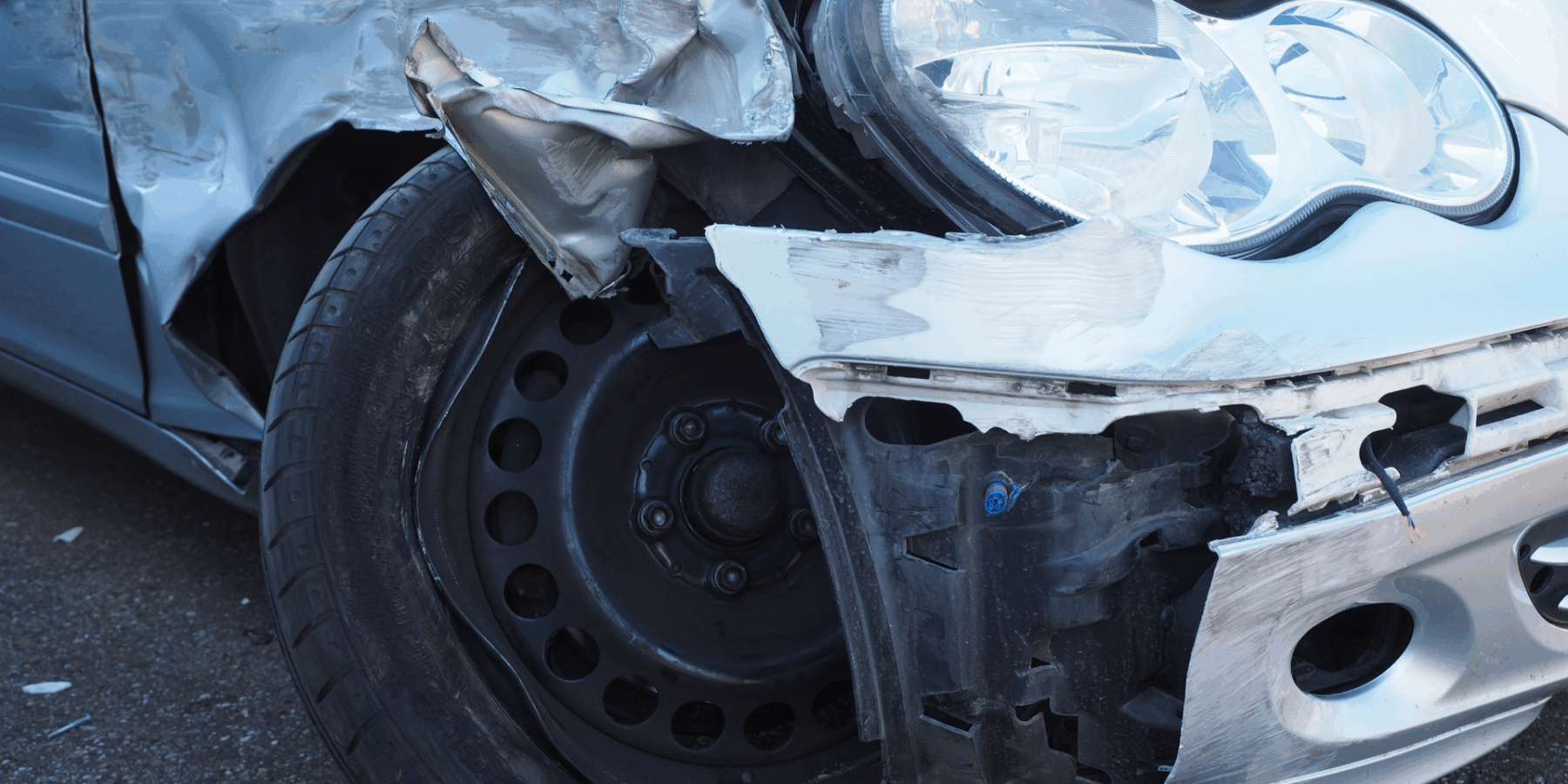
A rollover wreck on Interstate 79 southbound near Bridgeport earlier this month prompted an early-morning response from multiple emergency agencies, according to Connect-Bridgeport. The incident occurred around 5 a.m. on January 7 near the 136-mile marker, where first responders found a vehicle that had rolled onto its roof. The driver had exited the vehicle prior to their arrival and was evaluated at the scene by the Marion County Rescue Squad, though no injuries were reported. Crews directed traffic around the crash while using lighting equipment to assist with roadway cleanup, including debris and fluid removal. The Marion County Sheriff’s Office handled the investigation and traffic control until the scene was cleared.
Even a single-vehicle highway accident can quickly become a serious and potentially dangerous situation, particularly in the early morning hours when visibility is limited. Rollover crashes often pose added risks due to vehicle instability, roadway debris, and the possibility of fuel or fluid spills, all of which can endanger both drivers and first responders. While the driver in this incident was fortunate to avoid reported injuries, many rollover accidents result in significant physical, emotional, and financial challenges for those involved. At Kaufman & McPherson, we recognize how stressful the aftermath of a highway crash can be and are dedicated to helping accident victims understand their legal options and protect their rights. Call us today at (304) 449-5157 to learn how we can help.
How Legal Support Makes a Difference After a Bridgeport Rollover Single-Vehicle Crash
After a Bridgeport rollover single-vehicle crash, victims often face serious injuries, emotional trauma, and uncertainty about what caused the accident and what steps to take next, which is where Kaufman & McPherson can provide experienced guidance. At Kaufman & McPherson, we understand that rollover crashes can happen suddenly due to factors such as hazardous road conditions, vehicle defects, or unexpected obstacles, leaving drivers shaken and overwhelmed. We work to carefully examine the circumstances of the crash, review available evidence, and identify whether negligence, mechanical issues, or other contributing factors may have played a role. Our goal is to help clients gain clarity about their situation while feeling supported during a difficult recovery period.
Legal support from Kaufman & McPherson can also make a meaningful difference when navigating insurance claims and financial concerns after a Bridgeport rollover single-vehicle crash. Even when no other driver is involved, insurance companies may still challenge coverage, question liability, or downplay the severity of injuries. We take the time to evaluate medical records, vehicle damage, and the long-term impact the crash has had on our clients’ lives, including lost income and ongoing care needs. By providing clear communication and dedicated advocacy, Kaufman & McPherson helps accident victims feel informed, protected, and confident as they move forward.

Injuries Frequently Associated With a Bridgeport Rollover Single-Vehicle Crash
A Bridgeport rollover single-vehicle crash often results in severe injuries due to the violent forces involved. When a vehicle rolls, occupants may experience multiple points of impact inside the cabin. Additionally, roof collapse, shattered glass, and ejection risks significantly increase injury severity. Understanding common injuries helps accident victims recognize the importance of immediate medical care and thorough documentation.
Traumatic Brain Injuries and Head Trauma
Head injuries remain among the most serious outcomes of rollover crashes. Sudden impacts can cause the head to strike windows, doors, or interior surfaces. Even when airbags deploy, rotational forces may still lead to brain trauma. These injuries often require long-term treatment and ongoing monitoring.
Concussions and Closed Head Injuries
Concussions frequently occur during rollover accidents due to rapid acceleration and deceleration. Symptoms may include headaches, dizziness, confusion, and memory difficulties. Some effects appear days or weeks after the crash. Prompt evaluation helps reduce the risk of lasting complications.
Severe Brain Injuries and Cognitive Impairment
More serious traumatic brain injuries may involve bleeding, swelling, or permanent brain damage. Victims may experience changes in personality, speech, or motor function. These injuries often impact employment and daily independence. Long-term rehabilitation may be necessary for recovery.
Spinal Cord and Back Injuries
Rollover crashes place extreme stress on the spine as vehicles twist and overturn. Sudden compression and unnatural movement can damage vertebrae and spinal discs. These injuries often cause lasting pain and mobility limitations. Early diagnosis plays a critical role in treatment outcomes.
Herniated Discs and Soft Tissue Damage
Herniated discs commonly occur when spinal structures absorb excessive force. Victims may experience chronic pain, numbness, or reduced range of motion. Soft tissue injuries can worsen over time without proper care. Consistent treatment remains essential for long-term stability.
Paralysis and Permanent Spinal Cord Damage
Severe spinal cord injuries may result in partial or complete paralysis. These injuries often require lifelong medical care and adaptive equipment. The financial and emotional impact can be overwhelming. Legal claims often reflect the long-term nature of these damages.
Chest and Internal Organ Injuries
The force of a rollover crash can cause serious internal injuries even without visible trauma. Seat belts, airbags, and vehicle intrusion may damage vital organs. Internal injuries sometimes remain undetected immediately after the crash. Medical imaging often reveals these conditions.
Rib Fractures and Lung Injuries
Broken ribs frequently occur when occupants are thrown against restraints or vehicle structures. Rib fractures may puncture lungs or cause breathing complications. Pain often interferes with normal movement and recovery. Close medical supervision helps prevent secondary complications.
Abdominal and Organ Damage
Organs such as the liver, spleen, and kidneys remain vulnerable during rollover impacts. Internal bleeding can become life-threatening without prompt treatment. Symptoms may worsen gradually rather than immediately. Timely diagnosis significantly improves outcomes.
Orthopedic Injuries to Arms and Legs
Limbs often sustain injuries as occupants brace for impact or experience crushing forces. Fractures, dislocations, and ligament damage frequently occur. These injuries may limit mobility and daily function. Rehabilitation often plays a key role in recovery.
Broken Bones and Joint Injuries
Fractured arms, legs, wrists, and ankles commonly result from rollover crashes. Joint injuries may require surgical intervention. Healing timelines vary depending on severity and overall health. Long-term physical therapy often supports full recovery.
Crush Injuries and Soft Tissue Trauma
Vehicles rolling multiple times can trap or compress limbs. Crush injuries may damage muscles, nerves, and blood vessels. These injuries sometimes lead to permanent impairment. Comprehensive medical care remains essential.
Common Causes of a Bridgeport Rollover Single-Vehicle Crash
A Bridgeport rollover single-vehicle crash often occurs suddenly, yet several contributing factors frequently appear during investigations. Understanding these causes helps injured individuals recognize how negligence, hazards, or mechanical issues may play a role. Moreover, identifying the underlying cause remains essential when determining whether another party may share legal responsibility. Each factor below commonly contributes to rollover crashes on highways and local roadways around Bridgeport.
Excessive Speed and Loss of Vehicle Control
Speed plays a significant role in many rollover crashes, particularly on curved or uneven roadways. When drivers travel too fast, vehicles become harder to control during sudden maneuvers. Additionally, higher speeds increase the likelihood that a vehicle will tip or roll after leaving the roadway. Reduced reaction time further compounds the danger, especially in unexpected traffic or weather conditions.
Overcorrecting After Leaving the Roadway
Drivers sometimes panic after drifting onto a shoulder or uneven surface. Sudden overcorrection can cause tires to catch, leading the vehicle to roll. This reaction often occurs at highway speeds where stability becomes difficult to regain. As a result, a momentary mistake can escalate into a serious rollover crash.
Roadway Hazards and Poor Infrastructure Conditions
Dangerous road conditions frequently contribute to single-vehicle rollover crashes in the Bridgeport area. Potholes, uneven pavement, and poorly maintained shoulders can destabilize vehicles unexpectedly. Furthermore, inadequate signage or lighting may prevent drivers from recognizing hazards in time. These infrastructure issues often raise questions about governmental or contractor responsibility.
Debris, Standing Water, and Sloped Shoulders
Loose gravel, fallen branches, and roadway debris can cause sudden traction loss. Standing water increases the risk of hydroplaning, especially at higher speeds. Sloped or soft shoulders may cause vehicles to tip once tires leave the paved surface. Each of these conditions increases rollover risk even for attentive drivers.
Weather-Related Driving Conditions
Adverse weather frequently plays a role in Bridgeport rollover single-vehicle crashes. Rain, snow, and ice significantly reduce tire traction and vehicle stability. Fog and low visibility also limit reaction time and hazard recognition. Consequently, even cautious drivers may struggle to maintain control under poor weather conditions.
Reduced Visibility and Surface Traction
Limited visibility makes it harder to anticipate curves, obstacles, or roadway changes. Slick surfaces reduce braking effectiveness and steering control. Together, these factors increase the likelihood of skidding or leaving the roadway. Once a vehicle exits the pavement, rollover risk rises substantially.
Vehicle Defects and Mechanical Failures
Some rollover crashes stem from mechanical issues rather than driver error. Tire blowouts, suspension failures, and steering defects can cause sudden loss of control. In these cases, manufacturers, maintenance providers, or parts suppliers may bear responsibility. Identifying defects requires careful investigation and technical analysis.
Tire Failures and High Center of Gravity Vehicles
Underinflated or defective tires increase the risk of blowouts at highway speeds. Many vehicles with higher centers of gravity, such as SUVs and trucks, roll more easily during sudden maneuvers. When combined with tire failure, the rollover risk increases dramatically. These factors often require expert evaluation to determine liability.
Driver Fatigue and Distraction
Fatigue and distraction remain common contributors to single-vehicle rollover crashes. Drowsy drivers experience slower reaction times and impaired judgment. Distractions such as mobile devices divert attention from roadway hazards. Even brief lapses in focus can result in dangerous roadway departures.
Early Morning and Late Night Driving Risks
Many rollover crashes occur during early morning or late night hours. During these times, fatigue levels tend to be higher and visibility lower. Drivers may drift from lanes or fail to react to curves promptly. These conditions significantly increase the likelihood of rollover incidents.
Why a Bridgeport Rollover Single-Vehicle Crash Can Still Involve Liability
Many people assume a Bridgeport rollover single-vehicle crash automatically means the driver is at fault, yet that assumption often proves incorrect. In reality, outside factors frequently contribute to rollover accidents even when only one vehicle is involved. Understanding how liability applies helps injured individuals recognize when they may have valid legal claims. Moreover, identifying responsible parties allows accident victims to pursue compensation beyond their own insurance coverage.
Third-Party Negligence and Unsafe Roadway Conditions
Roadway conditions play a significant role in many rollover crashes throughout the Bridgeport area. Poor maintenance, dangerous design, and inadequate warnings can create hazards that drivers cannot reasonably avoid. When these conditions contribute to a rollover, liability may extend beyond the driver. Government agencies or private contractors may bear responsibility for failing to maintain safe roads.
Failure to Repair Known Road Hazards
Potholes, uneven pavement, and eroded shoulders often develop over time rather than appearing suddenly. Responsible entities have a duty to address known hazards within a reasonable timeframe. When they fail to act, drivers face increased rollover risks. This negligence may form the basis for a liability claim.
Inadequate Signage and Roadway Warnings
Sharp curves, steep drop-offs, and construction zones require clear warnings for approaching drivers. Missing or poorly placed signs reduce reaction time and increase accident risk. When signage fails to meet safety standards, responsible parties may be held accountable. These failures often contribute directly to rollover crashes.
Vehicle Defects and Manufacturer Responsibility
Some Bridgeport rollover single-vehicle crashes result from defects in vehicle design or manufacturing. Faulty components can cause sudden loss of control without driver error. In such cases, liability may rest with manufacturers or parts suppliers. Product liability laws exist to protect consumers from dangerous defects.
Defective Tires and Sudden Blowouts
Tire failures frequently lead to rollover crashes, especially at highway speeds. Manufacturing defects, improper design, or inadequate warnings can cause sudden blowouts. Drivers often have little opportunity to regain control once a tire fails. Manufacturers may be responsible when defects contribute to these crashes.
Stability Issues and Design Flaws
Vehicles with high centers of gravity require proper stability systems to reduce rollover risk. Defective suspension components or stability control failures increase danger during routine driving maneuvers. When design flaws compromise safety, manufacturers may face liability. These cases often require detailed technical analysis.
Negligent Vehicle Maintenance and Repair Errors
Improper maintenance can also contribute to rollover crashes. Drivers rely on mechanics and service providers to ensure vehicles remain safe for operation. When repairs are performed incorrectly, critical systems may fail unexpectedly. Liability may arise when negligent maintenance leads to a crash.
Brake, Steering, and Suspension Failures
Faulty brakes or steering components can cause drivers to lose control suddenly. Suspension failures may destabilize vehicles during turns or evasive maneuvers. These issues often result from poor installation or inadequate inspections. Repair shops may be held accountable for negligent work.
Comparative Fault Does Not Eliminate Liability
Even when a driver shares some responsibility, liability may still exist under comparative fault rules. West Virginia allows injured parties to recover compensation if they are not primarily at fault. Liability may be shared among multiple parties depending on circumstances. This legal framework ensures accountability reflects actual contributions to the crash.
Shared Responsibility and Compensation Options
Courts often assign percentages of fault to each responsible party. Compensation is then adjusted based on those percentages. This system allows injured individuals to pursue damages even in complex cases. Understanding comparative fault helps victims avoid unfair claim denials.
Why Legal Evaluation Matters After a Rollover Crash
Determining liability in a Bridgeport rollover single-vehicle crash requires careful investigation and legal insight. Evidence must be gathered quickly to preserve claims against third parties. Without legal guidance, injured individuals may overlook valid sources of compensation. A thorough evaluation ensures all responsible parties are identified and held accountable.
Legal Options After a Bridgeport Rollover Single-Vehicle Crash
After a Bridgeport rollover single-vehicle crash, injured individuals often face uncertainty about their legal rights and recovery options. While insurance companies may quickly present limited solutions, several legal avenues may exist depending on the circumstances. Understanding these options helps accident victims protect themselves from unfair outcomes and missed compensation opportunities. With proper guidance, individuals can pursue claims that reflect the true impact of their injuries and losses.
Filing an Insurance Claim and Protecting Your Rights
Most rollover crash cases begin with an insurance claim, yet this step requires caution and strategy. Insurance adjusters often focus on minimizing payouts rather than fully addressing damages. Legal guidance helps ensure claims are presented accurately and supported by strong evidence. Proper handling from the beginning reduces the risk of delays or denials.
Dealing With Your Own Insurance Coverage
In single-vehicle crashes, victims often rely on their own insurance policies for initial coverage. This may include medical payments coverage, collision coverage, or uninsured and underinsured motorist benefits. Insurance companies still investigate these claims carefully and may attempt to limit payments. Legal support helps ensure policy benefits are applied correctly and fairly.
Avoiding Common Insurance Pitfalls
Recorded statements and early settlement offers may weaken a claim if handled improperly. Insurers sometimes use these tactics to shift blame or undervalue injuries. Legal representation helps prevent misstatements and protects claim value. This guidance ensures accident victims do not unknowingly harm their cases.
Pursuing Third-Party Personal Injury Claims
A Bridgeport rollover single-vehicle crash may involve liability beyond the driver. When roadway conditions, vehicle defects, or negligent maintenance contribute to the accident, third-party claims may apply. These claims allow injured individuals to seek compensation from responsible parties. Identifying these opportunities often requires thorough investigation.
Claims Against Government Entities or Contractors
Poor road design, lack of maintenance, or missing warnings can create dangerous conditions. Government agencies or private contractors responsible for roadway safety may be held liable. These claims follow strict notice requirements and deadlines. Legal assistance helps ensure compliance with these procedural rules.
Product Liability and Defective Vehicle Claims
When vehicle components fail, manufacturers or suppliers may be responsible for resulting injuries. Product liability claims focus on design defects, manufacturing errors, or inadequate warnings. These cases often involve complex technical evidence. Legal teams work with experts to establish defect-related liability.
Filing a Lawsuit When Settlement Is Not Fair
While many cases resolve through negotiation, some require formal litigation. Filing a lawsuit may become necessary when insurers refuse to offer reasonable compensation. Litigation places pressure on responsible parties to address claims seriously. Preparation for trial often strengthens settlement positions.
Understanding the Lawsuit Process
A personal injury lawsuit involves discovery, depositions, and potential court hearings. Attorneys manage these steps while keeping clients informed throughout the process. This structured approach ensures claims progress efficiently. Clients benefit from experienced legal advocacy at every stage.
Seeking Full Compensation Through the Courts
Courts allow accident victims to pursue damages beyond immediate expenses. These may include future medical care, lost earning capacity, and pain and suffering. Presenting a strong case requires detailed documentation and testimony. Legal representation increases the likelihood of a favorable outcome.
Time Limits and Statute of Limitations
Legal claims after a Bridgeport rollover single-vehicle crash must follow strict deadlines. West Virginia law limits how long injured individuals have to pursue compensation. Missing these deadlines may permanently bar recovery. Early legal action protects the right to seek damages.
Preserving Evidence and Legal Deadlines
Evidence such as vehicle condition, roadway defects, and witness accounts may fade quickly. Prompt investigation preserves critical information. Attorneys track deadlines to ensure timely filings. This proactive approach strengthens the overall case.
Why Legal Guidance Makes a Difference
Navigating legal options after a rollover crash can feel overwhelming without professional support. Attorneys provide clarity, advocacy, and strategic direction throughout the process. Their experience helps uncover all available compensation sources. With the right legal approach, injured individuals can pursue recovery with confidence and peace of mind.
What Bridgeport Personal Accident Attorneys Do to Help
Bridgeport personal accident attorneys play a critical role in guiding injured individuals through every stage of the legal process. From the first consultation forward, attorneys focus on protecting clients from costly mistakes while pursuing fair compensation. Moreover, experienced legal guidance helps accident victims make informed decisions during an otherwise stressful and confusing time. With professional support, injured individuals gain clarity, confidence, and a stronger path toward financial recovery.
Investigating the Accident and Identifying Liability
A thorough accident investigation forms the foundation of any successful personal injury claim. Attorneys carefully analyze how the accident occurred and who may be legally responsible. This process ensures that all liable parties are identified before negotiations or litigation begin.
Collecting Evidence and Reviewing Official Reports
Attorneys gather police reports, incident records, photographs, and video footage related to the accident. They review these materials carefully to uncover inconsistencies, liability factors, and supporting details. Additionally, attorneys often secure witness statements while memories remain fresh and reliable. This comprehensive evidence collection strengthens the overall claim and supports accurate fault determination.
Working With Accident Reconstruction and Industry Experts
When necessary, attorneys collaborate with qualified experts to clarify complex accident circumstances. These professionals may analyze vehicle damage, roadway conditions, or safety compliance issues. Their insights help explain how negligence contributed to the injuries sustained. Expert testimony often adds credibility and clarity during settlement discussions or courtroom proceedings.

Handling Insurance Companies and Legal Communications
Insurance companies frequently prioritize minimizing payouts rather than protecting injured individuals. Attorneys step in to manage all communications and negotiations on behalf of their clients. This representation prevents insurers from using unfair tactics or misinterpreting statements.
Managing Insurance Claims and Documentation
Attorneys prepare and submit insurance claims accurately and efficiently. They ensure that all required documentation supports the full scope of the client’s damages. Additionally, legal teams track deadlines to avoid claim denials based on technical errors. This structured approach reduces stress and protects the integrity of the case.
Negotiating for Full and Fair Compensation
Experienced attorneys negotiate assertively with insurance adjusters using evidence-based arguments. They calculate damages carefully, including medical expenses, lost income, and future care needs. Furthermore, attorneys push back against low settlement offers that fail to reflect the accident’s true impact. Effective negotiation often results in stronger financial outcomes for clients.
Supporting Medical Recovery and Damage Evaluation
Legal representation extends beyond paperwork and negotiations. Attorneys actively support clients as they continue medical treatment and document ongoing effects. This support helps ensure that injuries receive proper valuation.
Coordinating Medical Records and Treatment Documentation
Attorneys obtain and organize medical records that demonstrate injury severity and treatment progression. They work closely with healthcare providers to confirm diagnoses and long-term implications. Proper documentation connects the accident directly to the injuries sustained. This connection remains essential for proving damages and recovery needs.
Calculating Long-Term and Non-Economic Damages
Personal accident attorneys evaluate both immediate and future losses related to the injury. These damages may include ongoing therapy costs, reduced earning capacity, and chronic pain. Additionally, attorneys account for emotional distress and reduced quality of life. A complete damage assessment ensures that compensation reflects the full scope of harm.
Preparing for Litigation When Necessary
While many cases resolve through settlement, some require court intervention. Attorneys prepare every case as if a trial will occur, strengthening negotiation leverage. This readiness ensures clients remain protected if litigation becomes necessary.
Filing Lawsuits and Managing Court Procedures
Attorneys handle all filings, motions, and procedural requirements involved in a personal injury lawsuit. They ensure compliance with court rules and statutory deadlines throughout the process. Clear organization and preparation reduce delays and unnecessary complications. Clients benefit from consistent legal oversight at every stage.
Representing Clients in Court With Confidence
When cases proceed to trial, attorneys present evidence clearly and persuasively. They question witnesses, challenge opposing arguments, and advocate for client interests. Their courtroom experience helps navigate complex legal strategies effectively. Strong representation increases the likelihood of a favorable verdict.
Providing Guidance, Communication, and Client Advocacy
Beyond legal tasks, attorneys serve as trusted advisors throughout the recovery journey. Clear communication helps clients feel informed and supported. This relationship builds trust and confidence during difficult circumstances.
Offering Clear Legal Advice and Ongoing Updates
Attorneys explain legal options using straightforward language clients can understand. They provide regular updates regarding case progress and expected timelines. Transparent communication allows clients to make educated decisions confidently. This approach reduces uncertainty and frustration.
Protecting Client Rights From Start to Finish
Bridgeport personal accident attorneys advocate consistently for their clients’ best interests. They challenge unfair practices and demand accountability from negligent parties. Moreover, attorneys remain accessible to address concerns as they arise. Dedicated advocacy ensures clients never face the legal process alone.
Contact an Experienced Bridgeport Car Crash Lawyer Today
At Kaufman & McPherson, our Bridgeport car crash lawyers bring years of experience representing individuals and families injured in serious roadway accidents, including rollover crashes on high-traffic corridors like Interstate 79. We know that the aftermath of a crash can be overwhelming, especially when victims are facing mounting medical bills, missed time at work, vehicle damage, and pressure from insurance companies. Our team is committed to handling every aspect of your claim, from gathering evidence and reviewing crash reports to consulting with experts when necessary, so you can focus on your recovery. We work diligently to pursue full and fair compensation for medical expenses, lost wages, pain and suffering, and other damages caused by another party’s negligence.
When you choose Kaufman & McPherson, you receive personalized attention and dedicated legal advocacy from a firm that truly cares about your outcome. We believe every client deserves clear communication, honest guidance, and a legal strategy tailored to their unique situation. Our attorneys are prepared to stand up to insurance companies and fight for your rights at every stage of the process. If you or a loved one has been injured in a Bridgeport car crash, do not delay taking action. Call (304) 449-5157 today or fill out our online contact form to schedule a free consultation and learn how Kaufman & McPherson can help you pursue justice and financial recovery.
Contact usfor a free consultation.
Phone: (304) 449-5157