
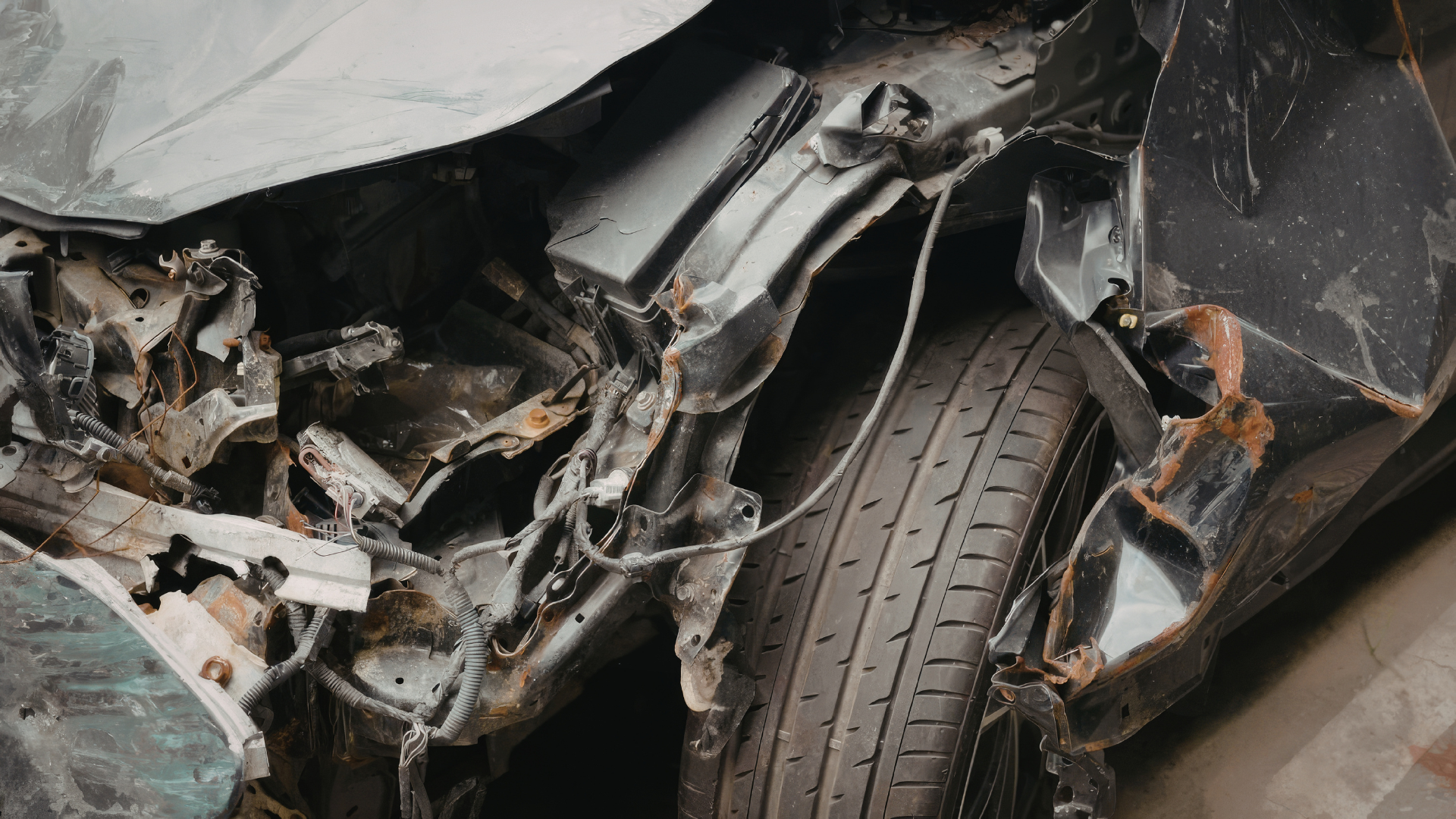
A serious crash involving two vehicles in Clarksburg resulted in a significant emergency response and ongoing legal developments, according to WOWKTV. Reports indicate that a West Virginia man was later indicted following the crash, which involved a passenger being ejected from one of the vehicles. This two-vehicle Clarksburg crash highlights how quickly severe injuries can occur when high-impact collisions take place. Incidents like this often leave victims and their families facing sudden medical emergencies, long recovery periods, and uncertainty about what steps to take next.
After an accident of this magnitude, victims may struggle with mounting medical bills, lost income, and the emotional toll of the crash. At Kaufman & McPherson, we understand how overwhelming a two-vehicle Clarksburg crash can become, especially when liability questions and insurance issues arise. We work closely with clients to protect their rights and pursue the compensation they deserve while they focus on recovery. If you or a loved one has been injured in a similar incident, call us at (304) 449-5157 today to discuss your options and take the next step forward.

Why Legal Representation Matters After a Two-Vehicle Clarksburg Crash
At Kaufman & McPherson, we understand how complex a two-vehicle Clarksburg crash can become, especially when multiple drivers, conflicting accounts, and serious injuries are involved. We take immediate steps to investigate the accident, gather evidence, and identify all responsible parties to build a strong and well-supported claim. Our team works closely with you to ensure that your rights remain protected while we handle communication with insurance companies and other involved parties. With our support, you can focus on recovery while we manage the legal process with care and attention.
We also advocate on your behalf to ensure that all damages receive proper evaluation, including medical expenses, lost income, and long-term impacts on your life. Our team addresses challenges such as disputed liability or delayed insurance responses while maintaining clear communication throughout your case. We use our experience to develop strategies tailored to your situation and pursue the best possible outcome. When you work with us, we remain committed to helping you move forward with confidence and clarity.
What to Do After a Two-Vehicle Clarksburg Crash
Taking the right steps after a two-vehicle Clarksburg crash can protect both your health and your ability to pursue compensation. The aftermath of a collision often feels overwhelming, especially when injuries and uncertainty make decision-making more difficult. However, clear and timely actions can help preserve evidence and strengthen your claim. Understanding what to do next allows you to move forward with greater confidence and stability.
Prioritize Safety and Medical Care
Your safety should remain the top priority immediately following a crash involving multiple vehicles. Taking quick action to assess injuries and seek treatment can prevent further complications. Even if injuries seem minor, underlying conditions may still require attention. Early medical care also creates important documentation that supports your claim.
Seek Immediate Medical Attention
Visiting a healthcare provider as soon as possible helps identify injuries that may not show symptoms right away. Conditions such as internal injuries or concussions can worsen without prompt treatment. A medical evaluation ensures that you receive proper care and begin recovery. This step also establishes records that connect your injuries to the crash.
Follow Through With Treatment Plans
After the initial evaluation, following your doctor’s recommendations remains essential for both recovery and documentation. Attending follow-up appointments and completing treatments shows the seriousness of your injuries. Consistent care creates a clear medical timeline that strengthens your case. Staying committed to treatment helps demonstrate the full impact of the accident.
Document the Accident Scene
Collecting evidence at the scene helps preserve important details that may become unavailable later. Accurate documentation supports your version of events and helps establish liability. Taking the time to gather information can make a meaningful difference during the claims process. Strong records create a solid foundation for your case.
Take Photos and Record Details
Photographs of vehicle damage, road conditions, and visible injuries provide valuable visual evidence. Capturing multiple angles helps create a complete and accurate record of the crash. These images can support your claim when insurers review the incident. Detailed documentation strengthens your position throughout the process.
Collect Witness Information
Witnesses can provide independent accounts that clarify how the crash occurred. Gathering names and contact information allows for follow-up if additional statements become necessary. Their observations can support your claim and help establish fault. Reliable witness input often plays a key role in determining liability.
Report the Accident and Protect Your Claim
Reporting the crash ensures that an official record exists and allows the claims process to begin. Providing accurate information helps maintain consistency and credibility throughout your case. At the same time, careful communication helps protect your legal rights. Taking a thoughtful approach prevents complications later.
File a Police Report
Law enforcement can document the crash and create an official report that includes key details. This report may contain statements, observations, and initial findings about fault. Insurance companies and attorneys rely on this documentation during claims. Filing a report helps establish a clear and reliable record.
Avoid Admitting Fault
After a two-vehicle Clarksburg crash, it is important to avoid making statements that suggest responsibility. Even casual remarks may be used against you during the claims process. Instead, focus on providing factual information without speculation. This approach helps protect your rights and supports a fair evaluation of the case.

How Liability Is Determined in a Two-Vehicle Clarksburg Crash
Determining liability in a two-vehicle Clarksburg crash requires a careful review of evidence, driver behavior, and surrounding conditions. Investigators analyze how the collision occurred and whether one or both drivers contributed to the incident. In many cases, fault may be shared depending on the circumstances. Understanding how liability gets assigned helps victims prepare for the legal process and pursue fair compensation.
Evaluating Driver Responsibility
Drivers must operate their vehicles safely and follow traffic laws at all times. When a driver fails to meet this responsibility, they may be held liable for resulting damages. Investigators review actions such as speeding, distraction, and failure to yield. This evaluation often forms the basis of liability in a crash.
Negligent Driving Behavior
Negligent actions such as distracted driving, speeding, or reckless maneuvers can contribute to a collision. Investigators examine evidence to determine whether a driver failed to act with reasonable care. This behavior may directly impact how fault is assigned. Identifying negligence strengthens the overall claim.
Traffic Law Violations
Violations of traffic laws, such as running a red light or failing to yield, often play a key role in determining fault. Investigators review citations, traffic signals, and witness statements to confirm whether a violation occurred. These details help establish responsibility for the crash. Clear violations often support a strong liability claim.
Shared Fault and Comparative Negligence
In some two-vehicle Clarksburg crash cases, both drivers may share responsibility for the collision. Comparative negligence rules allow fault to be divided based on each party’s actions. This means compensation may be adjusted depending on the level of responsibility assigned. Understanding shared fault helps clarify how claims may be resolved.
Determining Percentage of Fault
Investigators assign a percentage of fault to each party based on the evidence available. This process considers driver behavior, road conditions, and other contributing factors. The final determination affects how compensation gets calculated. Accurate evaluation ensures that responsibility is distributed fairly.
Impact on Compensation
When fault is shared, the amount of compensation may be reduced based on the victim’s level of responsibility. For example, partial fault may lower the total recovery available. Understanding this impact helps victims set realistic expectations. Proper legal guidance can help navigate these complexities.
Role of Additional Liable Parties
In some cases, liability may extend beyond the drivers involved in the crash. Other parties may contribute to the accident through negligence or unsafe conditions. Identifying all responsible parties helps ensure a complete claim. A thorough investigation strengthens the case.
Employer or Vehicle Owner Liability
If a driver operated a vehicle for work purposes, their employer may share responsibility for the crash. Vehicle owners may also bear liability if they allowed unsafe conditions or negligent use. Investigators review these relationships to determine responsibility. This broader approach helps maximize potential compensation.
Road Conditions and External Factors
Poor road conditions, inadequate signage, or environmental hazards may also contribute to a two-vehicle Clarksburg crash. Government entities or maintenance providers may bear responsibility in these situations. Evaluating these factors ensures that all sources of liability receive consideration. This step helps create a more complete claim.

Types of Compensation Available After a Two-Vehicle Clarksburg Crash
Victims of a two-vehicle Clarksburg crash may pursue compensation for a wide range of losses resulting from their injuries. These damages aim to address both financial burdens and the personal impact of the accident. A comprehensive claim ensures that all aspects of the situation receive proper consideration. Understanding available compensation helps victims pursue a more complete recovery.
Economic Damages
Economic damages cover the measurable financial losses resulting from the crash. These damages often include medical expenses, lost income, and other out-of-pocket costs. Proper documentation helps ensure that all financial impacts are included. This category forms a significant portion of most claims.
Medical Expenses and Treatment Costs
Victims may face extensive medical bills, including emergency care, hospital stays, and rehabilitation services. These costs can continue as treatment progresses over time. Tracking all expenses ensures that they are included in the claim. Proper documentation supports a stronger case.
Lost Income and Earning Capacity
Injuries may prevent victims from working, leading to lost wages and reduced earning potential. This impact can create both short-term and long-term financial challenges. Evaluating current and future income loss helps ensure accurate compensation. Addressing these losses supports financial recovery.
Non-Economic Damages
Non-economic damages address the personal and emotional effects of a two-vehicle Clarksburg crash. These losses may not have a direct financial value but still significantly affect daily life. Including these damages ensures a more complete claim. This category reflects the broader impact of the injury.
Pain and Suffering
Victims may experience physical pain and emotional distress following a serious accident. These effects can influence daily activities and overall well-being. Compensation for pain and suffering reflects the seriousness of these challenges. Proper evaluation ensures these damages receive attention.
Loss of Enjoyment of Life
Severe injuries may prevent individuals from participating in activities they once enjoyed. This loss can affect both physical and emotional health over time. Compensation may account for these changes. Recognizing this impact helps support a full recovery.
Long-Term and Future Damages
Some injuries create lasting effects that require ongoing care and support. Evaluating these future damages ensures that compensation reflects long-term needs. A forward-looking approach helps prevent financial strain. This step remains essential for serious injury cases.
Ongoing Medical Care
Victims may require continued treatment, therapy, or assistive devices as part of recovery. These needs can extend for months or years depending on the severity of the injury. Including future medical costs ensures adequate support. Proper planning helps address long-term challenges.
Reduced Quality of Life
Serious injuries may lead to permanent limitations that affect independence and daily functioning. These changes can alter lifestyle and future opportunities. Compensation may address these lasting effects. Evaluating long-term impact ensures a more complete claim.

Challenges Victims Face After a Two-Vehicle Clarksburg Crash
Victims of a two-vehicle Clarksburg crash often face a wide range of challenges that extend well beyond the initial impact. These situations can create ongoing financial strain, legal complications, and physical recovery concerns that affect daily life. Many individuals must balance medical treatment, insurance claims, and personal responsibilities at the same time. Understanding these challenges helps victims prepare for the process ahead and make informed decisions during recovery.
Financial Challenges and Recovery Costs
A serious crash can create immediate and long-term financial pressure due to medical bills, lost income, and unexpected expenses. These costs often continue to grow as treatment progresses and recovery takes time. Managing these financial obligations becomes a critical part of moving forward after an accident. Careful planning and documentation can help reduce some of this burden.
Medical Expenses and Ongoing Treatment
Emergency care, hospital stays, surgeries, and rehabilitation services can result in significant medical costs that accumulate quickly. Many victims require follow-up care, physical therapy, or specialized treatment that extends for months or longer. These ongoing expenses can create stress and uncertainty during recovery. Tracking all treatment costs helps ensure they are included in a claim and properly evaluated.
Loss of Income and Financial Stability
Injuries may prevent victims from working for an extended period or limit their ability to return to their previous role. This loss of income can disrupt financial stability and make it difficult to cover everyday expenses. Long-term injuries may also reduce future earning potential, which can affect overall financial security. Evaluating both immediate and future income loss helps ensure proper compensation.
Additional Out-of-Pocket Expenses
Victims may also face unexpected costs such as transportation to medical appointments, home adjustments, or assistive equipment. These expenses can add up quickly and create additional financial pressure. Keeping detailed records of these costs helps support a more complete claim. Addressing these financial impacts ensures a clearer understanding of the accident’s effect.
Legal and Insurance Complexities
Two-vehicle crashes often involve disputes over liability, which can complicate the claims process and create delays. Insurance companies may attempt to minimize payouts or challenge key aspects of the claim. Navigating these challenges requires attention to detail and a clear understanding of legal procedures. Without proper guidance, the process can feel difficult to manage.
Disputed Liability
Drivers may disagree about who caused the crash, leading to conflicting statements and claims. Investigators must review evidence such as reports, witness statements, and physical damage to determine fault. These disputes can slow down the resolution process and create additional stress for victims. Strong and consistent evidence helps clarify responsibility and resolve disagreements.
Insurance Delays and Negotiation Tactics
Insurance providers may delay responses, request excessive documentation, or dispute the severity of injuries to reduce payouts. These tactics can prolong the claims process and create frustration for injured individuals. Responding effectively requires persistence, organization, and accurate records. Addressing these challenges early helps keep the case moving forward.
Understanding Legal Requirements and Deadlines
Filing a claim involves meeting specific legal requirements and deadlines that must be followed carefully. Missing important deadlines or submitting incomplete documentation can affect the outcome of a case. Victims may find it difficult to manage these responsibilities while recovering from injuries. Staying organized and informed helps prevent unnecessary complications.
Physical and Emotional Recovery
Recovering from injuries after a two-vehicle Clarksburg crash often requires time, patience, and ongoing care. Victims may face both physical limitations and emotional stress as they adjust to life after the accident. These challenges can impact daily routines, relationships, and long-term well-being. Recognizing these effects highlights the importance of comprehensive support during recovery.
Ongoing Medical Recovery
Serious injuries may require long-term treatment, rehabilitation, and follow-up care to improve mobility and overall health. This process can take months or even years depending on the severity of the injuries. Victims may need to attend regular appointments and follow structured treatment plans. Staying consistent with medical care helps support better recovery outcomes.
Chronic Pain and Physical Limitations
Some victims experience ongoing pain or permanent physical limitations that affect their ability to perform everyday activities. These conditions can impact independence, work, and quality of life over time. Adjusting to these changes may require lifestyle modifications and continued medical support. Addressing these challenges remains an important part of recovery.
Emotional and Psychological Impact
Victims may experience stress, anxiety, or trauma following a serious crash, especially when the accident results in significant injuries. These emotional effects can influence sleep, concentration, and relationships with others. Addressing mental health plays an important role in overall recovery. Support from professionals, family, and community resources can help individuals cope with these challenges.
Impact on Family and Daily Life
A two-vehicle Clarksburg crash can also affect family members who may take on caregiving roles or experience emotional strain. Changes in daily routines and responsibilities can create additional stress within the household. Families may need to adjust to new challenges while supporting the injured individual. Recognizing this broader impact helps ensure that all aspects of recovery receive attention.

How a West Virginia Car Accident Attorney Handles Complex Crash Claims
Car accident claims in West Virginia can quickly become complex when multiple vehicles, serious injuries, or disputed liability are involved. A West Virginia car accident attorney provides critical guidance by managing the legal process and protecting the victim’s rights at every stage. These cases often require detailed investigations, strong evidence, and strategic negotiation to achieve a fair outcome. With experienced support, injured individuals can focus on recovery while their attorney handles the complexities of the claim.
Conducting a Detailed Investigation
An attorney begins by thoroughly investigating the crash to determine how it occurred and who may be responsible. This process involves reviewing evidence, analyzing reports, and identifying all contributing factors. A strong investigation helps establish a clear narrative of events. As a result, the claim gains a solid foundation for pursuing compensation.
Reviewing Police Reports and Scene Evidence
Attorneys examine official accident reports, photographs, and physical evidence collected at the scene. These materials provide important details about vehicle positions, road conditions, and initial findings from law enforcement. Accurate analysis helps clarify how the crash occurred. This step plays a key role in establishing liability.
Gathering Witness Statements
Witnesses can offer valuable insight into the events leading up to the accident and the actions of those involved. Attorneys collect statements and contact information to support the claim. These accounts can help confirm timelines and identify negligent behavior. Strong witness testimony adds credibility to the case.
Identifying All Liable Parties
Complex crash claims often involve more than one responsible party, which can make liability difficult to determine. An attorney works to identify all individuals and entities that may share responsibility for the accident. This approach ensures that victims pursue compensation from all available sources. A comprehensive evaluation strengthens the overall claim.
Multiple Drivers and Shared Fault
In multi-vehicle crashes, more than one driver may contribute to the accident through negligent actions. Attorneys analyze each driver’s behavior to determine how fault should be assigned. This process may involve reviewing traffic laws and accident evidence. Understanding shared fault helps clarify liability.
Employer or Third-Party Liability
In some cases, liability may extend beyond individual drivers to include employers or third parties. For example, a company may be responsible if a driver operated a vehicle for work purposes at the time of the crash. Attorneys investigate these relationships to identify additional sources of liability. This broader approach helps maximize potential recovery.
Managing Insurance Claims and Negotiations
Insurance companies often play a significant role in complex crash claims, and their involvement can create challenges for injured victims. An attorney handles all communication with insurers to ensure that the claim remains accurate and well-supported. They also evaluate settlement offers to determine whether they reflect the full extent of damages. This support helps protect victims from accepting inadequate compensation.
Negotiating Fair Settlements
Attorneys use evidence and legal experience to negotiate with insurance providers on behalf of their clients. They work to secure compensation that covers medical expenses, lost income, and long-term impacts. Skilled negotiation helps strengthen the victim’s position during discussions. This approach increases the likelihood of a fair outcome.
Addressing Disputes and Delays
Insurance companies may dispute liability or delay the claims process to minimize payouts. Attorneys respond to these challenges by presenting evidence and advocating for timely resolution. This proactive approach helps keep the case moving forward. Addressing these issues early can prevent further complications.
Evaluating Damages and Long-Term Impact
A comprehensive claim must reflect the full scope of the victim’s losses, including both immediate and future damages. Attorneys carefully evaluate all aspects of the injury to ensure accurate compensation. This process helps account for long-term financial and personal impacts. A detailed assessment strengthens the overall claim.
Medical Expenses and Future Care
Victims may require ongoing medical treatment, rehabilitation, or specialized care after a serious accident. Attorneys calculate these costs to ensure they are included in the claim. This evaluation also considers future medical needs related to the injury. Proper planning helps support long-term recovery.
Lost Income and Reduced Earning Capacity
Injuries may affect a victim’s ability to work or earn income in the future. Attorneys assess both current wage loss and long-term earning potential when building the claim. This step ensures that compensation reflects the full financial impact of the accident. Addressing these losses supports financial stability.
Preparing for Litigation When Necessary
While many claims resolve through negotiation, some cases may require litigation to achieve a fair result. An attorney prepares for this possibility by organizing evidence and developing a strong legal strategy. This preparation ensures effective representation if the case proceeds to court. Being ready for litigation helps protect the victim’s interests at every stage.
Building a Strong Legal Strategy
Attorneys develop a strategy based on the specific details of the case, including evidence, liability, and damages. This approach helps present a clear and persuasive argument in support of the claim. A well-prepared strategy strengthens the case in both negotiations and court proceedings. Careful planning plays a key role in achieving a successful outcome.
Representing Clients in Court
If litigation becomes necessary, attorneys advocate on behalf of their clients in court. They present evidence, question witnesses, and argue the case before a judge or jury. This representation ensures that the victim’s interests remain protected throughout the process. Strong advocacy helps pursue the best possible result.

Contact an Experienced Two-Vehicle Clarksburg Crash Attorney Today
Navigating the legal process after a two-vehicle Clarksburg crash can feel overwhelming, especially when injuries and financial concerns affect your daily life. Our team at Kaufman & McPherson carefully reviews every detail of your case and develops a strategy that aligns with your specific needs and long-term goals. We handle investigations, documentation, and communication so you can focus on your recovery without additional stress.
Every case deserves a thoughtful and strategic approach that reflects the seriousness of a two-vehicle Clarksburg crash and its lasting impact. We work closely with you to understand the full scope of your injuries and financial losses while pursuing accountability and fair compensation on your behalf. Our team remains dedicated to providing consistent support and strong advocacy at every stage, so call us at (304) 449-5157 today or reach out online to discuss your case and explore your options.
Contact usfor a free consultation.
Phone: (304) 449-5157