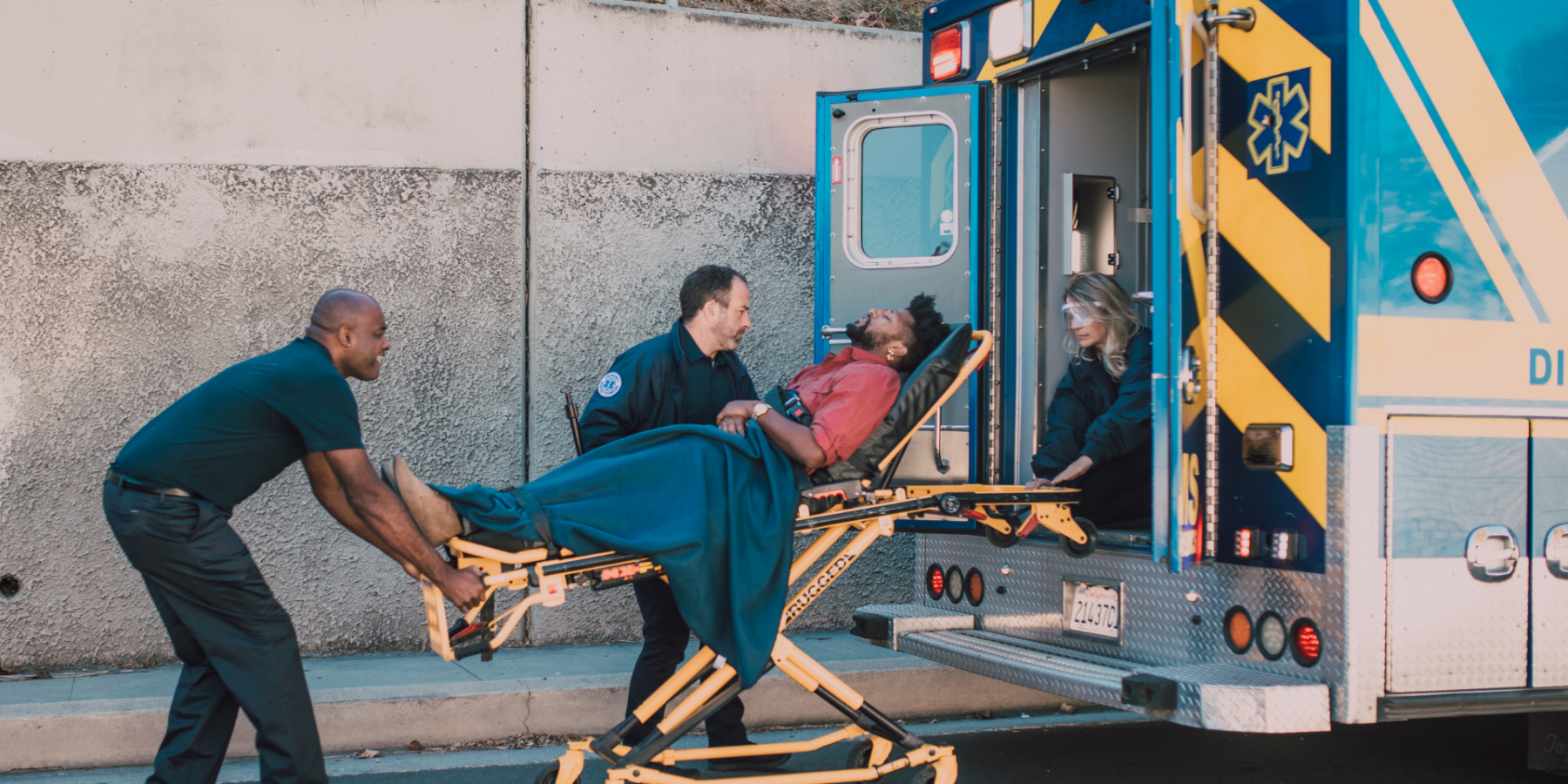
One person was transported to the hospital Friday evening following a three-vehicle accident in Anmoore near the Interstate 79 onramp, according to WBOY. Crews were alerted at around 5:42 p.m. to a vehicle accident with unknown injuries on Anmoore Road near the Interstate 79 overpass. A reporter who went to the scene found three vehicles involved, one of which, a white Toyota sedan, had sustained heavy rear-end damage. Witnesses reported that the driver of the Toyota was taken to the hospital with back and chest pain. Traffic in the area was slowed as of 6:30 p.m. but continued to move as crews with the Harrison County Sheriff’s Office and Anmoore Fire and EMS responded to and worked the scene.
Multi-car wrecks near busy interchanges like Interstate 79 can happen without warning and leave those involved facing painful injuries, confusing insurance processes, and serious questions about who is responsible for what happened. When a crash involves several vehicles and causes injuries that require hospital transport, sorting out fault and pursuing fair compensation can quickly become overwhelming without experienced legal guidance. At Kaufman & McPherson, we are committed to helping injured victims and their families throughout West Virginia understand their rights and pursue the full compensation the law provides. Call us today at (304) 449-5157 to learn how we can help.
Why Legal Support Matters After an Anmoore Multi-Car Wreck
At Kaufman & McPherson, we understand that a multi-car wreck can quickly become far more complicated than a typical two-vehicle accident. These collisions often involve several drivers, multiple insurance companies, and conflicting accounts of how the crash occurred. Determining fault in a chain-reaction accident requires careful investigation, evidence collection, and a thorough understanding of West Virginia personal injury law. We work closely with injured clients to review police reports, gather witness statements, analyze crash scene evidence, and identify every party that may share responsibility for the accident.
We also recognize that victims of serious multi-car crashes in Anmoore are often dealing with painful injuries, medical bills, and uncertainty about how their claim will unfold. Our team handles communication with insurance companies, reviews all available evidence, and works to build a strong case that accurately reflects the full impact of the crash. By guiding clients through each step of the legal process, we help ensure their rights remain protected while they focus on recovery. Through careful preparation and persistent advocacy, we pursue the compensation our clients deserve after complex multi-vehicle accidents.

What Compensation May Be Available After an Anmoore Multi-Car Wreck
Understanding the types of compensation available after a serious West Virginia multi-car crash helps injured victims evaluate their situation accurately and resist pressure to settle quickly for amounts that do not reflect the true scope of their losses. West Virginia law provides for recovery of both economic damages representing measurable financial losses and non-economic damages capturing the physical, emotional, and personal harm the crash has produced. Both categories deserve equal attention and thorough documentation, and the total value of a multi-car crash claim frequently exceeds what first impressions might suggest, particularly when injuries have ongoing consequences.
Medical Expenses and Ongoing Treatment Costs
Medical expenses typically form the largest component of a serious crash victim’s economic damages, encompassing emergency transportation, hospital and emergency care, diagnostic imaging, surgical procedures, specialist consultations, prescription medications, physical therapy, and the full course of rehabilitation the injuries require. In cases involving significant injuries like the back and chest pain described in the Anmoore crash, the immediate medical costs may be substantial and the ongoing treatment requirements may extend for weeks or months, generating expenses that must be carefully tracked and included in the damages calculation. Compensation includes both medical expenses already incurred and the reasonably anticipated future treatment costs that qualified medical experts project based on the nature and trajectory of the injuries.
Future Medical Needs and Rehabilitation
Some vehicle crash injuries require treatment that continues long after the initial acute care period, including physical therapy, specialist follow-up, pain management, and in more serious cases, surgical revision procedures or long-term care support whose costs can accumulate significantly over time. Projecting these future expenses accurately requires input from treating physicians and, in complex cases, medical experts and life care planners who can assess the likely course of treatment and provide credible projections of anticipated future costs. Including future medical needs in the damages calculation ensures that no element of the recovery leaves the victim financially exposed as care continues to be needed in the months and years following any settlement.
Lost Wages and Diminished Earning Capacity
Injuries that prevent a crash victim from returning to work for an extended period produce significant income losses that deserve full compensation alongside medical expenses. When injuries produce permanent limitations that reduce a victim’s ability to perform their prior occupation or limit their long-term earning potential, compensation for diminished earning capacity reflects the genuine financial harm the crash has imposed on the victim’s economic future. Thorough documentation of the victim’s employment history, earnings, and the specific work-related limitations their injuries have produced, combined with vocational expert analysis when appropriate, creates the strongest possible foundation for a comprehensive lost wage and earning capacity claim.
Pain and Suffering and Non-Economic Damages
West Virginia law allows crash victims to seek compensation for the physical pain, emotional suffering, psychological distress, and reduced quality of life that accompany serious injuries, and these non-economic damages can represent a very substantial portion of the total value of a serious injury claim. Unlike economic damages that are calculated based on bills and pay stubs, non-economic damages are evaluated based on the nature and severity of the injuries, the duration of the pain and suffering involved, and the overall impact on the victim’s daily experience and personal relationships. Personal testimony, medical records describing ongoing pain and limitation, and accounts from family members who have witnessed the impact of the injuries all contribute to a complete presentation of non-economic damages that ensures the full human cost of the crash is recognized and compensated.
Wrongful Death Damages in Fatal Cases
When a West Virginia multi-car crash results in the death of a family member, surviving relatives may pursue a wrongful death claim seeking compensation for funeral and burial expenses, the financial support the deceased would have provided over their lifetime, and the loss of the companionship, guidance, and relationship that the death has taken from the family. West Virginia’s wrongful death statute provides a meaningful framework for holding responsible parties accountable for fatal crashes and ensuring that bereaved families receive genuine financial support during a period of profound loss. We approach every wrongful death case with both legal rigor and genuine compassion for the family’s circumstances, ensuring that every available avenue of recovery is pursued with the seriousness and dedication these cases demand.

How Fault Is Determined in a West Virginia Multi-Car Wreck
Determining liability after an Anmoore multi-car wreck or any serious West Virginia crash requires a careful and systematic analysis of physical evidence, driver conduct, applicable traffic laws, and sometimes expert testimony that together provide an accurate picture of how and why the collision occurred. Fault plays the central role in determining whether an injured person can recover compensation and how much that recovery may include, making accurate and well-supported fault determination one of the most important aspects of effective crash claim management. Insurance companies and courts evaluate objective evidence rather than assumptions or unverified driver accounts, which means that comprehensive evidence gathering from the earliest possible stage is essential for protecting every aspect of the claim.
Reviewing the Police Crash Report
Law enforcement officers who respond to a multi-car crash typically prepare an official accident report that documents the scene, the positions and condition of the vehicles, the statements provided by drivers and witnesses, the roadway and weather conditions at the time, and any citations issued to any of the drivers involved. While the crash report does not automatically establish civil liability, insurance carriers regularly rely on its findings as a starting point for evaluating fault, and the report’s contents can significantly influence early negotiations. Careful review of the report after it becomes available allows both parties and their attorneys to identify inconsistencies, gaps, or errors that require further investigation through independent evidence gathering and expert analysis.
Traffic Citations and Violations
When a responding officer issues a citation to one or more of the drivers involved in the crash, that citation may serve as important evidence of negligence in the civil claim by indicating that the cited driver breached a specific legal duty owed to others on the road. Common violations in multi-car crashes include following too closely, failure to yield, inattentive driving, and failing to maintain control of the vehicle, each of which may directly support a finding of fault in the civil proceedings. However, the absence of a citation to a particular driver does not automatically mean that driver bears no fault, because officers sometimes cannot determine all contributing factors at the scene, and the civil standard for fault is distinct from the criminal standard for issuing traffic citations.
Examining Physical and Digital Evidence
Physical evidence from a multi-car crash scene provides some of the most objective and compelling insight available into how the collision occurred, making its prompt identification and preservation among the most time-sensitive priorities after a serious crash. Skid marks reveal where and when drivers applied their brakes, debris patterns show the points and angles of impact between vehicles, vehicle damage locations indicate which parts of each vehicle absorbed contact forces, and the final rest positions of all vehicles help establish their trajectories through the collision sequence. In addition to physical evidence, dashcam footage, nearby traffic and surveillance cameras, and vehicle data recorders increasingly provide digital evidence of the moments leading up to and during a crash that can confirm or contradict driver accounts and clarify disputed issues of fault.
Accident Reconstruction Experts
In complex multi-car crash cases where liability is seriously disputed or where the collision dynamics involve technical questions that require scientific analysis, accident reconstruction specialists can apply engineering principles to the available physical and digital evidence to produce a rigorous and defensible account of how the crash occurred. These experts calculate vehicle speeds, braking distances, impact angles, and the sequence of collisions with precision that goes well beyond what visual inspection of the scene alone can produce, and their testimony carries significant weight in settlement discussions and courtroom proceedings. We engage qualified reconstruction experts in cases where the complexity of the crash warrants that level of analysis and where their findings would strengthen the liability narrative in ways that significantly improve our clients’ recovery prospects.
Considering Road and Environmental Factors
Fault determinations in West Virginia vehicle crash cases also account for the contribution of roadway conditions, weather, visibility, and other environmental factors to the collision, because drivers have a legal duty to adjust their speed and conduct based on the conditions they encounter. Drivers who maintain normal speeds in rain, fog, construction zones, or heavy traffic when those conditions demand reduced speed and heightened caution may bear fault for resulting crashes even when other drivers also contributed. At the same time, when dangerous road design, inadequate signage, poor pavement maintenance, or malfunctioning traffic controls contributed to a crash, the government entity responsible for that infrastructure may bear partial liability alongside the at-fault drivers. We evaluate every potentially contributing factor in each crash case to ensure that the liability analysis captures the full picture of what caused the collision.
Why Insurance Companies Dispute Anmoore Multi-Car Wreck Claims
After any serious multi-car crash in West Virginia, many injured drivers expect the insurance process to proceed smoothly once fault appears clear, only to find that insurers raise unexpected disputes that delay compensation and complicate recovery. Insurance companies have a financial incentive to minimize payouts, and they regularly employ well-established strategies for disputing claims that injured victims must be prepared to recognize and counter. Understanding why these disputes arise and how they typically develop helps victims approach the process with appropriate preparation and realistic expectations from the outset.
Allegations of Shared Fault
West Virginia’s modified comparative negligence system gives insurance companies a direct financial incentive to argue that the injured driver bears some portion of responsibility for the crash, because every percentage point of fault assigned to the claimant reduces what the insurer must pay. Adjusters may scrutinize the injured driver’s speed, following distance, attentiveness, and reaction to developing conditions in the moments before impact, looking for any basis for a shared fault argument even when the other driver’s negligence was clearly the primary cause. In multi-car crashes, these arguments are particularly common because the involvement of multiple vehicles creates opportunities to attribute portions of fault to several parties, potentially including the victim. Countering these allegations effectively requires strong physical evidence, consistent medical documentation, and a well-organized factual account of what occurred.
Disputes Over Right-of-Way and Roadway Conditions
Insurers frequently focus on whether each driver involved in a multi-car crash properly yielded, maintained appropriate following distance, and complied with applicable traffic laws in the moments leading up to the collision. They may also argue that weather conditions, road surface issues, or other environmental factors contributed to the crash more significantly than any individual driver’s negligence, which can diffuse fault in ways that limit the recovery available from any single source. Strong photographic documentation of the scene, detailed witness accounts, and where appropriate, expert accident reconstruction analysis all help counter these fault-diffusion arguments and ensure that liability is accurately and fairly assigned among the drivers involved.
Questioning the Severity of Injuries
Insurance companies frequently review medical records in detail to find grounds for disputing the severity, causation, or necessity of treatment following a crash. Adjusters may argue that certain treatments were excessive or unrelated to the collision, that injuries were minor and have already resolved, or that the claimant’s reported symptoms are inconsistent with the nature and magnitude of the crash. These strategies aim to reduce the overall value of the claim by minimizing what the insurer must pay for medical expenses and pain and suffering. Thorough and consistent medical documentation, timely treatment, and clear physician opinions linking injuries to the crash provide the strongest defense against these challenges.
Pre-Existing Conditions as a Defense
When a claimant has any prior injury, chronic condition, or earlier treatment history affecting the same areas of the body involved in the crash, insurers routinely argue that the reported symptoms stem from that pre-existing condition rather than the accident. This approach can substantially reduce proposed settlement amounts by attributing a portion of the claimant’s medical needs and limitations to conditions that predated the crash. However, West Virginia law recognizes the eggshell plaintiff doctrine, which holds that a defendant takes their victim as they find them and remains fully responsible for aggravating a pre-existing condition even when that condition made the injury more severe than it would have been for a healthier person. Detailed physician opinions documenting the baseline condition before the crash and the specific impact of the collision on that baseline help counter pre-existing condition defenses effectively.
Delays as a Negotiation Strategy
Insurance carriers sometimes deliberately slow the investigation process, make repeated requests for documentation, or extend communication gaps in order to create financial pressure on injured victims who are managing mounting bills and reduced income. This pressure may lead victims to accept lower settlement offers than the evidence and law would support simply to achieve resolution and relieve immediate financial stress. Recognizing delay tactics for what they are and maintaining patience while working with experienced legal counsel helps ensure that these strategies do not produce the outcome insurers seek. We manage all insurance communications on behalf of our clients to prevent delay tactics from undermining the value of the claim.
Low Initial Settlement Offers
Initial settlement proposals from insurance carriers are often intentionally lower than the full and fair value of the claim, reflecting the insurer’s hope that a quick payment will appeal to victims facing immediate financial pressure before they fully understand the long-term scope of their losses. Accepting an early offer typically requires signing a release that permanently extinguishes all future claims, including for medical costs and lost wages that have not yet been incurred. Careful evaluation of any settlement offer by experienced legal counsel ensures that the proposed amount genuinely reflects the comprehensive scope of the victim’s injuries, losses, and future needs before any release is signed. Patience and strategic preparation in responding to settlement offers consistently produces better outcomes than quick acceptance under pressure.

How West Virginia Car Accident Attorneys Handle Multi-Car Wrecks
Multi-car accidents often create complex legal situations because multiple drivers, insurance companies, and conflicting accounts may be involved. These collisions frequently occur on highways or busy intersections where chain reactions cause several vehicles to crash within seconds. Victims may face serious injuries while also dealing with confusion about who caused the crash and how liability will be determined. West Virginia car accident attorneys help injured victims investigate the wreck, identify responsible parties, and pursue compensation for the damages they suffered.
Investigating the Cause of the Multi-Car Accident
Determining how a multi-car collision occurred often requires a detailed investigation of the crash scene and the sequence of events leading up to the impact. Attorneys work to reconstruct the accident by examining physical evidence, reviewing official crash reports, and analyzing the actions of each driver involved. Understanding how the chain reaction began can help clarify liability and support a strong injury claim. This investigation often forms the foundation of the legal case.
Reviewing Police Reports and Accident Documentation
Law enforcement officers typically prepare detailed reports after serious multi-car crashes. These reports may include statements from drivers and witnesses, diagrams of the collision, and notes about road or weather conditions. Attorneys review these documents carefully to identify early indications of fault or traffic violations. Police reports can help establish a timeline that explains how the accident unfolded.
Analyzing Crash Scene Evidence
Physical evidence from the accident scene can provide important clues about how the collision occurred. Attorneys may review photographs, vehicle damage patterns, and skid marks to understand the order of impacts between vehicles. This information can help determine which driver initiated the chain reaction. Careful analysis of crash scene evidence can strengthen arguments about liability.
Identifying Liable Drivers and Other Responsible Parties
Multi-car accidents often involve more than one negligent driver. Attorneys evaluate the conduct of each driver to determine whether speeding, distracted driving, or other unsafe behavior contributed to the crash. In some cases, liability may be shared among several parties. Identifying every responsible party can help ensure that injured victims pursue all available sources of compensation.
Evaluating Driver Negligence
Attorneys examine whether any drivers violated traffic laws or acted carelessly before the collision occurred. Behaviors such as tailgating, distracted driving, or sudden lane changes may contribute to chain-reaction crashes. Evidence of these actions can help establish negligence. Demonstrating driver negligence often becomes a central element of the case.
Considering Additional Responsible Parties
Some multi-car accidents involve factors beyond driver behavior. Poor vehicle maintenance, defective vehicle components, or hazardous road conditions may also play a role. Attorneys evaluate whether vehicle manufacturers, maintenance providers, or other parties contributed to the crash. Identifying these additional parties can expand the potential sources of compensation.
Gathering Evidence to Support the Claim
Strong evidence helps clarify how the accident occurred and how the injuries affected the victims. Attorneys collect documentation that supports the legal claim and demonstrates the damages suffered. This evidence may include medical records, vehicle damage reports, and witness statements. Organizing this information helps present a clear and persuasive case.
Securing Witness Testimony
Witnesses who observed the crash may provide valuable information about the sequence of events. Their accounts can help clarify which vehicle initiated the collision or whether a driver acted recklessly. Attorneys often contact witnesses soon after the crash to preserve accurate recollections. These statements may help resolve disputes about fault.
Obtaining Expert Accident Reconstruction
In complex multi-car accidents, attorneys sometimes work with accident reconstruction experts. These professionals analyze physical evidence, vehicle damage, and crash dynamics to recreate how the collision occurred. Their findings can help explain the chain reaction and identify the driver responsible for initiating the crash. Expert analysis often strengthens the case during negotiations or litigation.
Negotiating With Multiple Insurance Companies
Multi-car accidents often involve several insurance carriers representing different drivers. Each insurer may attempt to shift responsibility to another party to reduce financial liability. Attorneys handle communication with these insurers and work to ensure that the victim’s claim receives fair consideration. Managing negotiations with multiple insurance companies can become an important part of resolving the case.
Addressing Liability Disputes
Insurance carriers frequently disagree about which driver caused a multi-car crash. Attorneys respond to these disputes by presenting evidence that clarifies the sequence of events. Documentation such as crash reports, witness statements, and expert analysis can help establish fault. Addressing these disagreements helps protect the victim’s claim.
Preparing the Case for Litigation
When negotiations do not lead to a fair settlement, attorneys may prepare the case for court. This process involves organizing evidence, consulting expert witnesses, and developing legal arguments to present before a judge or jury. Preparing for litigation can also strengthen settlement negotiations by demonstrating readiness to pursue the case fully. This approach helps ensure that injured victims receive serious consideration of their claims.

Contact an Experienced Anmoore Car Accident Lawyer Today
If you or someone you love was injured in a multi-car crash in Anmoore, Harrison County, or anywhere else in West Virginia, having an experienced Anmoore car accident lawyer by your side can make a meaningful and lasting difference in both the outcome of your claim and your ability to recover with genuine financial security. At Kaufman & McPherson, we bring focused experience in West Virginia personal injury law, thorough investigative preparation, and genuine dedication to every case we handle, working to ensure that every responsible party is held accountable and that our clients receive the full compensation West Virginia law makes available to them. We take the time to understand every dimension of what our clients have experienced, building comprehensive cases that fully reflect the physical, financial, and personal toll of the crash.
We also understand that navigating the legal process after a serious crash can feel overwhelming, particularly when victims are simultaneously managing injuries, financial pressure, and the demands of daily life during an uncertain recovery. At Kaufman & McPherson, we take on the legal burden by handling investigations, managing insurance communications, and developing a strategy tailored to the specific facts of each client’s situation, so our clients can direct their energy toward healing and their families. Do not wait to protect your rights after an Anmoore multi-car wreck, as critical evidence disappears quickly and important legal deadlines begin running from the day of the crash. Call Kaufman & McPherson today at (304) 449-5157 or fill out our online contact form to discuss your case and learn how we can help you pursue the full compensation and accountability you deserve.
Contact usfor a free consultation.
Phone: (304) 449-5157